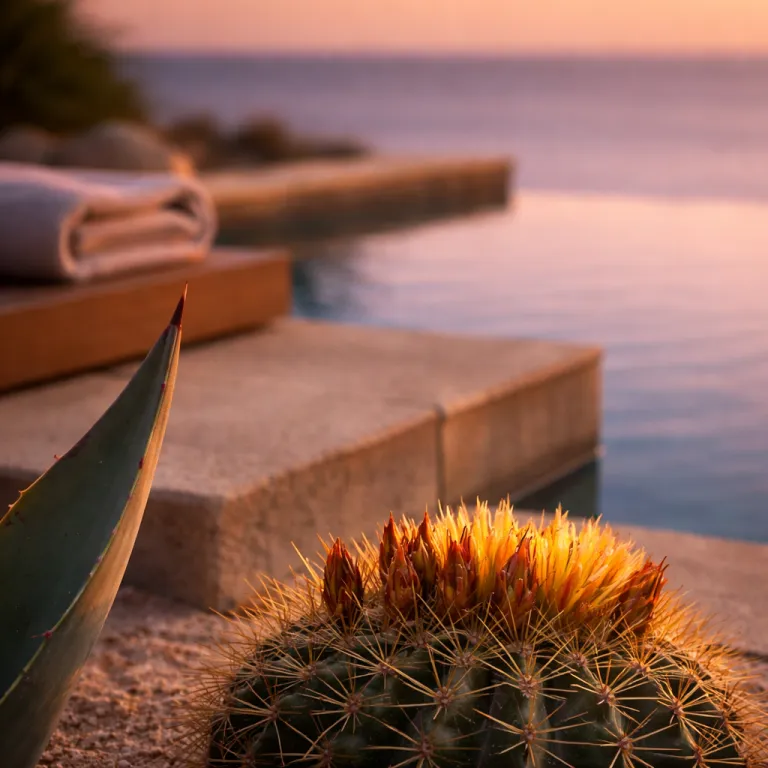
Los Cabos coastal desert flora as a backdrop for refined stays
Los Cabos coastal desert flora shapes every view from a luxury suite. Along the southern tip of the Baja peninsula, high end resorts sit between the sea and the desert, framed by cardón cactus forests and shimmering water. This rare combination of coastal light, arid land, and the Sea of Cortez creates a setting that feels both remote and indulgent.
The cape region of Baja California Sur is defined by the contrast between rugged desert and calm sea. Guests driving from San José del Cabo airport toward Cabo San Lucas cross an area where agave, cholla cactus, and Nopal prickly pear line the highway. This corridor reveals how the california peninsula narrows into the cape, with the gulf of California on one side and the open Pacific on the other.
For travelers choosing a premium hotel, understanding this natural beauty helps refine expectations. Properties in the los cabos area often highlight views of the desert and the sea rather than dense gardens. Many suites face the coastline where flora fauna transitions from sand to rock, then to the blue of the sea, giving a constant reminder that this is a true desert by the ocean.
Because the region is arid, landscaping around luxury properties relies on native species. Cardón cactus, barrel cactus, and drought tolerant shrubs require minimal water yet frame infinity pools and terraces elegantly. This approach respects protected areas nearby while ensuring that guests enjoy lush looking grounds that remain authentic to the baja California desert environment.
Key plant species that define the luxury landscape
Understanding los cabos coastal desert flora helps travelers read the landscape from their balcony. The dominant plant species is the towering cardón cactus, which can reach about 18 metres in height and often stands alone like a natural sculpture. Around it, agave, cholla cactus, Nopal, and barrel cactus form a textured palette that luxury architects use as living design elements.
In the cape region, resorts often orient pathways and terraces to frame these species. Agave plants, central to tequila production, appear in both landscaping and bar menus, linking flora fauna with culinary experiences. Barrel cactus, or biznaga, with its red tinged spines and yellow red flowers, adds seasonal colour that guests notice during morning walks.
The baja peninsula hosts more than one hundred cactus species, and many thrive near hotels in los cabos. Designers increasingly favour these natural forms over imported lawns, which demand heavy irrigation and disrupt the desert. As a result, guests in both singular villa and larger resorts see flora that genuinely belongs to this california sur environment.
From San José del Cabo to Cabo San Lucas, the flora fauna mix shifts subtly. Near the cabo estuary and other water sources, vegetation becomes denser, with shrubs and occasional trees softening the desert. Farther from water, the landscape returns to sparse cactus and low bushes, reminding visitors that this is still a true desert peninsula shaped by limited rainfall.
Where desert meets water: estuaries, marine parks, and protected areas
Luxury travelers in los cabos often focus on ocean views, yet the most revealing places to understand the region are its estuaries and protected areas. The cabo estuary near San José del Cabo forms a rare freshwater lens where desert plants meet brackish water and migrating birds. Here, los cabos coastal desert flora blends with reeds and palms, creating a softer edge to the otherwise arid cape region.
Further along the baja California coast, Cabo Pulmo National Park protects one of the most significant coral reefs in the gulf of California. On the approach to cabo pulmo, guests pass through stark desert where cardón cactus and agave dominate, then reach a shoreline where sea turtles and rich marine fauna los thrive. This contrast between dry land and vibrant sea underscores how closely flora fauna and marine life are linked.
Many premium hotels organise guided excursions into these protected areas, balancing comfort with environmental respect. Visitors learn how desert plants stabilise soil, filter runoff, and protect the sea of Cortez from sediment that could damage reefs. In turn, healthy marine ecosystems support fisheries and tourism, reinforcing the value of conservation for both nature and hospitality.
Within the broader baja peninsula, additional protected areas such as the Sierra de la Laguna Biosphere Reserve shelter cooler highland flora. Guests who venture inland from cabo san Lucas or san José del Cabo experience a different side of california sur, where oak and pine appear above the desert. These varied landscapes enrich a stay, showing that the california peninsula offers more than beaches and pool decks.
Designing luxury hotels in harmony with the desert environment
High end properties in los cabos increasingly position los cabos coastal desert flora as a central design element rather than a backdrop. Architects study how species like cardón cactus, agave, and cholla capture light at sunrise and sunset, then align suites and pools to frame those silhouettes. This approach allows guests to feel immersed in the desert while enjoying every modern comfort.
Water management is a defining challenge for any luxury hotel in this desert region. Native plants with deep root systems and waxy surfaces reduce irrigation needs, allowing more water to be reserved for guest use and essential operations. By favouring flora fauna adapted to arid conditions, properties limit strain on local aquifers and support long term resilience.
Some of the most refined stays, such as oceanfront villas in Del Cabo communities, integrate native gardens directly into private terraces. For example, travelers seeking oceanfront serenity often choose a villa in Villas del Mar in Cabo for refined travelers seeking oceanfront serenity to enjoy both sea views and curated desert planting. From these vantage points, guests can observe how the baja California landscape changes colour through the day, from pale dawn tones to deep evening shadows.
In san lucas and san José del Cabo, thoughtful properties also consider fauna los that share the land. Lighting is often directed downward to protect sea turtles nesting on nearby beaches and to reduce disturbance to nocturnal wildlife. By aligning design with the rhythms of the sea of Cortez and the surrounding desert, hotels strengthen their sense of place and appeal to environmentally aware travelers.
Guest experiences that connect luxury, flora, and the sea of Cortez
For many visitors, the most memorable moments in los cabos come from experiences that link comfort with direct contact with nature. Guided walks through hotel grounds introduce guests to los cabos coastal desert flora, explaining how each species survives with minimal water. These walks often highlight the cardón cactus as the tallest cactus in the region and a symbol of the baja peninsula.
From the shoreline, guests can join excursions into the sea of Cortez, sometimes called the gulf of California, to observe marine life. Snorkeling near cabo pulmo or other protected areas reveals coral, colourful fish, and occasionally sea turtles gliding through clear water. Returning to a spa or infinity pool after such outings, travelers appreciate how closely flora fauna and marine ecosystems are intertwined.
In san José del Cabo, the cabo estuary offers a gentler outing suitable for families and casual walkers. Paths around this area pass stands of reeds, palms, and desert shrubs, showing how los cabos flora shifts when water is present. Birdlife is abundant, and guides often explain how the estuary filters runoff before it reaches the sea, protecting coastal habitats.
Even within hotel restaurants and bars, the influence of california sur landscapes appears. Menus may feature Nopal and agave based ingredients, linking local flora fauna to gastronomy in refined ways. As one local guide often explains to guests, "How do desert plants survive in Los Cabos? They adapt through water storage and deep roots."
Practical tips for choosing and enjoying a flora focused luxury stay
Travelers planning a premium stay in los cabos can use knowledge of the landscape to refine their hotel choices. Properties closer to the cape region’s cliffs and rocky points often provide dramatic views of los cabos coastal desert flora meeting the sea. Resorts nearer to san José del Cabo and the cabo estuary may offer greener surroundings, with more visible water influenced vegetation.
When comparing hotels across the baja California peninsula, consider how each property describes its relationship with the environment. Look for mentions of native species, protected areas, and partnerships with guides who understand both flora fauna and marine life. Such details signal a commitment to the natural beauty that defines california sur and the broader california peninsula.
Guests planning hikes or excursions into the desert should prepare carefully despite the comfort of their base. Light clothing, sun protection, and at least one litre of water per person for short walks are essential in this arid area. Many hotels near cabo san Lucas and san José del Cabo provide reusable bottles and guidance on safe routes that respect protected areas.
Finally, consider timing your activities to the rhythms of the desert and the sea of Cortez. Early morning and late afternoon offer softer light on cardón cactus, agave, and other species, enhancing photography and comfort. By aligning your schedule with the environment, you will experience the full character of los cabos coastal desert flora while enjoying the highest levels of hospitality.
Key statistics about Los Cabos coastal desert flora
- Number of cactus species recorded in the Baja California Peninsula: 120 species.
- Approximate maximum height of the cardón cactus in Los Cabos: 60 feet.
Frequently asked questions about Los Cabos coastal desert flora
What is the tallest cactus in Los Cabos?
The tallest cactus in Los Cabos is the cardón cactus, which can reach about 60 feet in height and often dominates the skyline around luxury resorts and desert trails.
Are there edible cacti in Los Cabos?
Yes, Nopal, also known as prickly pear cactus, is commonly found in the region and is widely used in local cuisine, from salads to grilled dishes served in high end hotel restaurants.
Where can I see diverse flora in Los Cabos?
Travelers can see particularly diverse flora by visiting the Sierra de la Laguna Biosphere Reserve inland, exploring the Cabo Pulmo National Park corridor, and walking around the San José del Cabo estuary.