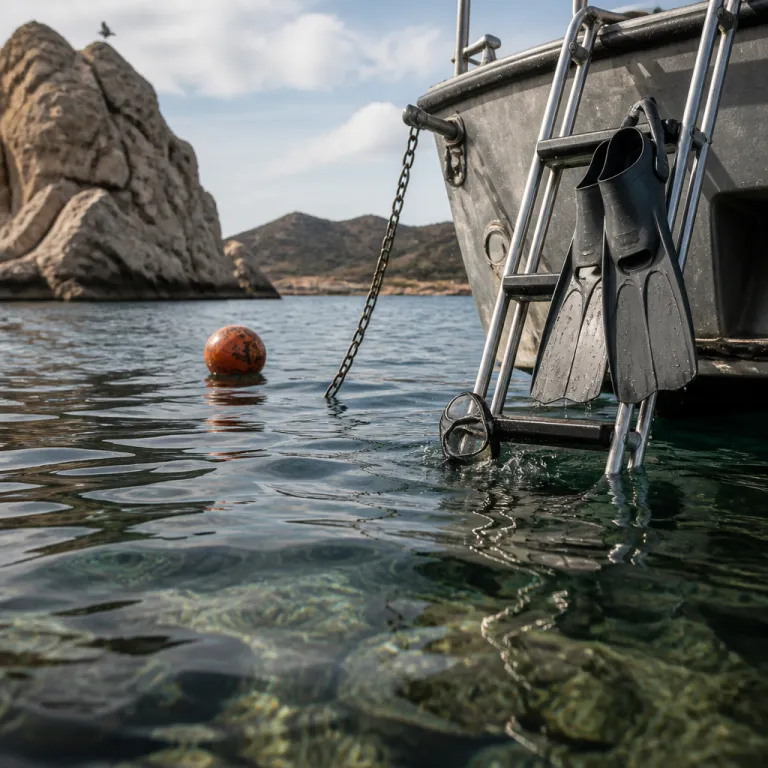
Snorkeling Cabo San Lucas best spots for luxury‑minded families
Snorkeling in Cabo San Lucas feels different when you are staying at a polished oceanfront hotel with a concierge who knows every bay by name. Along the corridor between Cabo San Lucas and San José del Cabo, the Sea of Cortez folds into sheltered coves where marine life is dense, the water stays clear and the logistics are easy enough for children yet interesting enough for seasoned travelers. For families choosing a luxury base in Cabo San Lucas, the right address can turn a simple snorkel into a full day adventure with seamless transfers, shaded cabanas on the beach and chilled towels waiting when you return.
The geography of Cabo San Lucas, at the tip of Baja California Sur in Mexico, creates a meeting point between the Pacific Ocean and the Sea of Cortez, and that collision of currents feeds extraordinary marine life. You do not need a scuba diving certification to access it; many of the top snorkeling spots are close to shore, especially around Pelican Rock, Chileno Bay, Santa Maria Bay and the small beaches tucked near the famous Arch. When you plan your dates, remember that water temperature averages around 25 °C with visibility often reaching 15 meters in peak season, according to summaries from Los Cabos dive centers and the Comisión Nacional de Áreas Naturales Protegidas (CONANP), which means children can clearly see every fish and coral reef detail without venturing into deep water.
For premium families, the question is not whether to snorkel, but how to weave these snorkeling spots into a stay that still feels indulgent. Some travelers prefer to book private tours that leave directly from the marina in Cabo San Lucas, while others choose resorts in Los Cabos that sit on swimmable beach stretches like Chileno Bay or Santa Maria so they can snorkel at their own time and pace. Either way, thinking about logistics when you select your hotel will save you transit time and give you more hours in the sea with sea turtles, sea lions and schools of tropical fish.
Pelican Rock and Lover Beach from marina‑front luxury hotels
Pelican Rock sits just off Land’s End, a short boat ride of about 10 to 15 minutes from the main marina in Cabo San Lucas, and it is one of the best areas for families who want drama above and below the surface. The rock formations rise steeply from the sea, and beneath the waterline you will find underwater pinnacles where fish swirl in dense clouds and coral reefs cling to the stone. Local guides confirm its accessibility for new swimmers; as one operator puts it, “Is snorkeling at Pelican Rock suitable for beginners? Yes, calm conditions and shallow entry make it ideal for beginners.”
From a luxury hotel near the marina in Cabo San Lucas, your concierge can arrange a private panga or small yacht tour that combines Pelican Rock, Lover Beach and a slow cruise past the Arch. These tours usually include snorkel gear, life vests and a guide who knows how to read the currents, which is especially helpful if you are visiting with children or older relatives. Morning tour departures between 8.00 and 10.00 give you the best time for calmer seas and softer light on the cliffs, while afternoon tours can work well if your family prefers a slow breakfast and pool time first.
Expect to see abundant marine life at this spot, even on a short tour; colorful reef fish, occasional sea lions resting on nearby rocks and, in the right season, sea turtles gliding through the blue water. The snorkeling experience here is more vertical than at Chileno Bay or Santa Maria Bay, with deeper drop offs and towering rock faces, so confident swimmers may want to snorkel slightly away from the crowds for clearer views. If you are planning an adults only escape focused on refined oceanfront stays with easy access to Pelican Rock and Lover Beach, it is worth reviewing this curated guide to adults only all inclusive escapes in Cabo and then layering in a private snorkeling tour from the marina.
Chileno Bay and Santa Maria Bay from corridor resorts
Chileno Bay is the family friendly heart of snorkeling in Cabo San Lucas, a protected marine area where the water stays calm and the entry from the beach is gentle. This bay sits along the corridor between Cabo San Lucas and San José del Cabo, roughly 14 kilometers from downtown Cabo, and it is one of the few beaches in Los Cabos where you can reliably swim and snorkel right from the sand. For parents, that means you can set up under a parasol, send older children into the sea with a snorkel and still keep a clear line of sight while younger siblings play at the water’s edge.
Marine life in Chileno Bay is rich and approachable; expect parrotfish, angelfish and other reef fish weaving through rocky outcrops, with occasional sea lions passing through and moray eels tucked into crevices. Visibility often reaches 10 to 15 meters on good days, and the protected status of the bay helps keep boat traffic organized so snorkelers feel safer. If you stay at a corridor resort with direct access to Chileno Bay, you can time your snorkeling experience around the quieter early morning hours before the main tours arrive from Cabo San Lucas.
Just up the road, about 3 kilometers away, Santa Maria Bay curves into a horseshoe of pale sand backed by low desert hills, and it rivals Chileno Bay for best snorkeling in Los Cabos. The left and right sides of Santa Maria Bay shelter coral reefs and rocky ledges where fish congregate, while the center of the bay offers easier swimming for less confident guests. When you are choosing where to stay in Cabo San Lucas, this detailed neighborhood guide from Médano to the East Cape at where to stay in Cabo San Lucas can help you weigh a marina front hotel against a corridor resort that opens directly onto Santa Maria or Chileno Bay.
Planning your dates, seasons and family friendly conditions
Water conditions around Cabo San Lucas shift with the seasons, so aligning your dates with your family’s comfort level will shape how much you enjoy these snorkeling spots. From late spring through early autumn, the Sea of Cortez warms to around 25 °C or higher, and visibility in places like Chileno Bay, Santa Maria Bay and Pelican Rock often reaches 15 meters. During the cooler months, the water temperature drops, but marine life can feel even more active, which appeals to guests who do not mind wearing a thin wetsuit over their swimwear.
Morning is usually the best time for families to snorkel in Cabo San Lucas, because the wind tends to be lighter and the sea surface flatter, especially in the corridor bays. Many tours schedule departures between 8.00 and 12.00, with a second wave of tours from 13.00 to 17.00, so planning an early start lets you enjoy Pelican Rock or Lover Beach before the main crowds arrive. If you are visiting during peak holiday periods, book your preferred tour several weeks ahead and ask your hotel concierge to confirm whether your chosen beach is better by morning or afternoon for that specific time of year.
Families who prefer to avoid boat tours can still access excellent snorkeling options from shore, particularly at Chileno Bay and Santa Maria Bay where parking and beach facilities are well organized. When you stay in Los Cabos at a resort near these beaches, you can adjust your time in the water to your children’s energy levels, slipping into the sea for short sessions rather than committing to a fixed tour schedule. Guests who want to combine snorkeling with a broader Baja California adventure, perhaps adding a day trip to Cabo Pulmo or even a longer itinerary that includes Puerto Vallarta on another coast of Mexico, should factor in transfer times and rest days so the trip still feels like a holiday rather than a marathon.
Gear, tours and how luxury hotels shape the experience
Choosing between bringing your own snorkel gear and renting locally will influence both comfort and cost, especially for a family group. Many luxury hotels in Cabo San Lucas provide complimentary masks, snorkels and fins for use on nearby beaches, and higher end properties often refresh their equipment regularly so the fit and clarity remain good. If you or your children are particular about mask comfort, consider packing your own mask and snorkel while relying on hotel fins to reduce luggage weight.
Boat tours from the Cabo San Lucas marina range from shared catamarans with open bars to small group eco focused tours that emphasize marine life and conservation. For families, a mid sized tour with a strong safety briefing, life vests for all ages and guides in the water can strike the right balance between value and attention. Some operators now use eco friendly boats to reduce emissions and noise in the Sea of Cortez, which aligns well with hotels that position themselves as leaders in sustainable luxury.
When you book through a trusted concierge in Los Cabos, you gain an extra layer of vetting on top of online reviews, especially around safety standards and guide quality. Ask specifically whether the tour includes time at Pelican Rock, Lover Beach and one of the corridor bays, because that mix gives you both dramatic rock formations and calmer coral reefs in a single outing. If your family enjoys food as much as the sea, you might even pair a morning snorkel tour with an evening reservation at a local favorite mentioned in this feature on Cabo’s taco and mezcal scene, turning the day into a full Baja California Sur immersion.
Responsible snorkeling and ocean conservation for families
Snorkeling Cabo San Lucas best spots is not only about ticking off sea turtles and sea lions from a list; it is also an opportunity to teach children how fragile marine ecosystems can be. Los Cabos now counts more than twenty Blue Flag beaches, the highest concentration in Mexico according to the international Blue Flag program and municipal tourism reports, and that certification reflects water quality, safety and environmental management. When you choose to swim at these beaches and support operators who respect the rules, you help keep the Sea of Cortez cleaner for future visits.
Responsible behavior in the water starts with what you put on your skin, so opt for reef safe sunscreen and apply it at least 20 minutes before entering the sea to reduce the amount that washes directly onto coral reefs. Explain to children that touching coral, chasing fish or attempting to feed marine life can stress the animals and damage the habitat, even if the behavior seems harmless in the moment. Many eco focused tours in Cabo San Lucas now include a short briefing on these points, turning a simple snorkel into a gentle marine biology lesson.
Families staying in luxury hotels can also look for properties that partner with local conservation groups, whether through beach cleanups, citizen science projects or educational talks about the Sea of Cortez. Some resorts near Chileno Bay and Santa Maria Bay host guided snorkel outings where a marine biologist points out specific fish species, explains how currents shape each bay and highlights why sites like Cabo Pulmo further up the coast are globally recognized for best snorkeling and scuba diving. By choosing these experiences over purely entertainment focused tours, you send a clear signal that high end travel in Cabo San Lucas can support, rather than strain, the marine life that makes these snorkeling spots so special.
Beyond Cabo San Lucas: extending your marine life journey
Once you have explored Pelican Rock, Lover Beach, Chileno Bay and Santa Maria Bay, you may find yourself planning a return to Cabo San Lucas around the sea rather than the pool. Many families start with a simple snorkel from the beach and then, on a second visit, add a day trip to Cabo Pulmo, a national marine park several hours up the Baja California coast that is often cited for some of the best snorkeling and scuba diving in Mexico. The coral reefs there are older and more extensive than those near Los Cabos, and the density of fish can feel almost overwhelming in the best possible way.
For travelers who split their time between different coasts of Mexico, combining a Los Cabos stay with a later trip to Puerto Vallarta offers an interesting comparison in marine life and beach culture. Cabo San Lucas leans into its desert meets sea identity, with stark rock formations and the meeting of the Pacific and the Sea of Cortez, while Puerto Vallarta wraps its beaches in lush jungle and a more humid climate. Both regions offer strong snorkeling experiences, but the clarity and color of the water around Chileno Bay, Santa Maria Bay and Pelican Rock often surprise guests who assumed they would need to fly farther into the Caribbean for similar conditions.
Wherever you extend your itinerary, the habits you build while snorkeling Cabo San Lucas best spots will travel with you. Choosing tours that respect marine life, using reef safe products and teaching children to move calmly in the sea will make every future snorkel, whether in Baja California, another part of Mexico or beyond, more rewarding. In the end, the real luxury is not only the hotel suite or the yacht, but the ability to slip into clear water, share a quiet moment with a sea turtle and know that your presence leaves the bay just as vibrant for the next family.
Key figures for snorkeling conditions in Cabo San Lucas
- Average water temperature around Cabo San Lucas hovers near 25 °C during much of the main snorkeling season, according to local marine reports, CONANP monitoring data and dive center records, which keeps conditions comfortable for most swimmers without wetsuits.
- Underwater visibility at popular snorkeling spots such as Chileno Bay and Santa Maria Bay often reaches about 15 meters, based on diver logs and tour operator briefings collected over recent seasons, allowing guests to clearly observe fish, coral reefs and rock formations.
- Snorkeling tours in Cabo San Lucas typically operate in two main daytime windows, from 8.00 to 12.00 and from 13.00 to 17.00, giving families flexibility to choose calmer morning seas or warmer afternoon light.
- Los Cabos holds the highest number of Blue Flag beaches in Mexico, with more than twenty certified stretches of sand listed by the international Blue Flag program, reflecting strong standards for water quality, safety and environmental management across its main swimming and snorkeling beaches.
FAQ about snorkeling in Cabo San Lucas
Is snorkeling at Pelican Rock suitable for beginners and children ?
Yes, Pelican Rock is considered suitable for beginners and older children because the main snorkeling area offers relatively calm conditions and shallow sections close to the boat, often starting around 1.5 to 2 meters deep. Guides usually provide life vests and stay in the water with guests, which adds an extra layer of safety. Families should still follow instructions carefully and choose morning tours for the smoothest sea surface.
What marine life can we expect to see at Chileno Bay and Santa Maria Bay ?
At Chileno Bay and Santa Maria Bay, you can expect to see a wide range of reef fish such as parrotfish and angelfish, along with occasional sightings of sea turtles and passing sea lions. The rocky edges of each bay shelter coral reefs and crevices where smaller species hide, making slow, patient snorkeling especially rewarding. Because these bays are protected and have limited boat traffic, marine life tends to feel relaxed and approachable.
Do we need to join a boat tour, or can we snorkel from the beach ?
You can do both in Cabo San Lucas, depending on which snorkeling spots you want to visit. Pelican Rock and Lover Beach require a boat transfer from the marina, usually as part of a short tour, while Chileno Bay and Santa Maria Bay are easily accessed from the beach by car or hotel shuttle. Many families combine one boat based tour with one or two relaxed beach days for a balanced snorkeling experience.
When is the best time of day and year to snorkel in Cabo San Lucas ?
Morning is generally the best time of day to snorkel because winds are lighter and visibility is often clearer before the sea surface becomes choppier. Warmer months bring higher water temperatures and comfortable conditions for long swims, while cooler months can offer especially active marine life if you are willing to wear a light wetsuit. Whenever you visit, checking local forecasts and asking your hotel concierge about current conditions will help you choose the ideal days and times.
What should we bring for a family snorkeling day, and how can we protect the reef ?
For a family snorkeling day, bring well fitting masks, snorkels, swim shirts, towels, water and snacks, even if your tour or hotel provides basic gear. To protect the reef, use reef safe sunscreen, avoid standing on rocks or coral and remind children not to chase or feed fish or sea turtles. Following these simple guidelines helps keep Cabo San Lucas snorkeling spots healthy and enjoyable for future visitors.