Why water now shapes every luxury stay in Cabo San Lucas
Cabo San Lucas looks effortless from an infinity pool, yet water is the hard limit behind every new resort opening. The city sits at the tip of Baja California Sur, where the desert meets the Pacific and the Sea of Cortez, and that geography makes cabo san lucas water sustainability the defining issue for luxury development. For travelers choosing high end resorts in los cabos, understanding how scarce water resources are managed is now part of responsible trip planning.
Hotel inventory in cabos has expanded rapidly, with thousands of additional rooms increasing pressure on local water resources and on the fragile aquifers beneath san lucas. The arid climate of baja california and the growth of large resorts from the marina to the Pacific corridor mean that every glass of drinking water, every landscaped golf course, and every lush garden depends on careful water treatment and long term sustainability planning. This is why authorities and resort operators now frame sustainable water as core infrastructure, not a marketing add on for eco conscious guests.
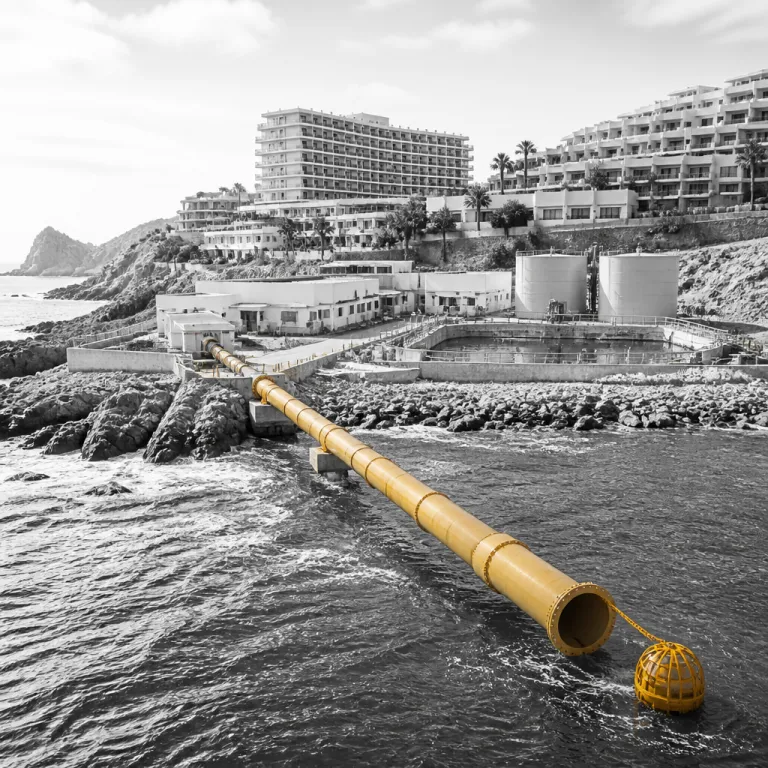
The new seawater desalination plants under construction in the northern part of cabo san lucas are the clearest sign of this shift toward cabo san lucas water sustainability. State Water Commission Director Tatiana Davis Monzón, OOMSAPAS Los Cabos General Director Ramón Rubio Apodaca, and Los Cabos City Council Water Commission President Andrés Liceaga are the public faces of a project designed to secure potable water for residents and hotels. Their collaboration with two international companies on a reverse osmosis treatment plant shows how public agencies and private operators now share responsibility for sustainable water in this growing destination.
The second major desalination plant for los cabos is being built through a public private partnership with OOMSAPAS Los Cabos, with an investment of more than 1.1 billion pesos to expand drinking water capacity. Located in the northern zone of san lucas, this state of the art facility will draw seawater from the Pacific Ocean, send it through advanced reverse osmosis membranes, and deliver around 250 liters per second of potable water into the municipal network. For luxury resorts and for the local community, that extra flow is designed to reduce dependence on overdrawn aquifers and stabilize supply during peak travel seasons.
Project data released by the authorities shows construction began several years ago and reached roughly one third completion by a recent progress review, with an operational target set for October once the treatment plants and intake systems are fully tested. Officials describe the facility as the first desalination plant for potable water in Mexico built at this scale, combining energy efficient technology with strict water treatment standards to protect marine ecosystems. The goal is simple yet ambitious, to turn abundant seawater into reliable drinking water while keeping cabo san lucas water sustainability aligned with long term regional planning in sur BCS.
For travelers, the implications reach far beyond engineering details, because this treatment plant underpins the future of high end stays from the marina to the Pacific side. When you check into a resort in cabo san, the water in your shower and the ice in your glass may soon be supplied partly by this new desalination infrastructure rather than by stressed groundwater. That shift matters for any guest who cares about sustainability, because it links personal comfort directly to large scale investment in resilient water resources for the wider community.
How Cabo's luxury resorts are rethinking water use behind the scenes
While the new desalination plants promise more secure supply, leading resorts in los cabos are already reshaping daily operations to reduce demand. At Pacific facing properties near Quivira and along the corridor toward san jose, engineers have redesigned irrigation systems so that every golf course uses reclaimed water wherever possible instead of fresh drinking water. This quiet shift in water treatment and reuse is now a key marker of cabo san lucas water sustainability for premium travelers comparing properties.
Many large resorts now operate on site wastewater treatment systems that clean greywater from guest rooms, kitchens, and laundry before sending it to irrigation networks. These treatment plants rely on a mix of biological processes and filtration technology, turning what was once a liability into a sustainable water resource for gardens and fairways. For guests walking between pools and restaurants, the lush landscaping often hides a complex network of pipes and pumps that keep the resort green without drawing as heavily on municipal water resources.
Landscape design has become another frontline for sustainability, with more properties in baja california sur replacing thirsty lawns with native plants that thrive in natural desert conditions. Around Quivira and other master planned communities, you now see agave, cardón cactus, and drought tolerant shrubs replacing imported grass, which reduces both irrigation needs and the energy power required for pumping. This approach aligns with broader cabo san lucas water sustainability goals, because every square meter of native planting cuts long term water consumption for the resort and the surrounding community.
Inside the rooms, small details add up, from low flow fixtures to discreet messaging that invites guests to reuse glass bottles and limit unnecessary linen changes. Some high end properties now bottle filtered drinking water on site in reusable glass containers, eliminating single use plastics while also tracking consumption more closely as part of their sustainable water strategy. These measures may seem minor compared with a large treatment plant, yet across thousands of rooms they significantly reduce pressure on both municipal supply and on site wastewater treatment capacity.
Waste management intersects with water in ways many travelers overlook, because poorly handled solid waste can contaminate groundwater and coastal ecosystems. Hotel groups in los cabos have started to integrate recycling, composting, and careful hazardous waste handling into broader sustainability programs that also cover water resources and energy power use. For a detailed look at how one major group is tackling these issues, the analysis of Solmar’s recycling and waste initiatives on this site offers a useful window into the operational side of responsible luxury in cabo san lucas.
Behind the scenes, engineers and sustainability managers now talk about cabo san lucas water sustainability in the same breath as diversity and inclusion, community engagement, and climate resilience. Their work extends from monitoring water treatment performance to training staff on efficient cleaning practices, always balancing guest expectations with the realities of an arid region. As the new desalination plant comes online, these operational changes will determine whether increased supply leads to smarter use or simply to higher consumption across the resort sector.
What sustainability minded travelers should ask before booking in Cabo
For solo explorers and design focused travelers, the most interesting question is no longer just which resort has the best view, but which one treats cabo san lucas water sustainability as a core value. Before you book, it is worth checking whether a property uses reclaimed water for its golf course, whether it participates in municipal wastewater treatment programs, and how it communicates its environmental commitments to guests. These details reveal how seriously a resort takes its role in protecting scarce water resources in los cabos.
Many high end resorts now publish sustainability reports that outline their use of reverse osmosis systems, on site treatment plants, and partnerships with the local community to protect natural habitats. When a property explains how it connects to the new desalination plant, how it manages wastewater treatment, and how it reduces demand through native plants and efficient fixtures, you gain a clearer picture of its long term strategy. This level of transparency also signals respect for the local population of san lucas, who share the same finite water resources as visiting guests.
During your stay, simple choices can align your experience with cabo san lucas water sustainability without sacrificing comfort or pleasure. Opting for shorter showers, reusing towels, and accepting filtered drinking water in reusable glass bottles rather than imported brands all reduce the strain on both the municipal network and on site treatment systems. If you play golf at Quivira or at other courses in cabo san, asking about their irrigation sources and their use of reclaimed water sends a clear market signal that sustainable water practices matter to discerning travelers.
Trip planning is another moment to integrate water awareness, especially when you are comparing resorts, villas, and serviced residences across baja california sur. Some properties, such as high end villas and senior living style residences highlighted in dedicated guides on this site, now emphasize their connection to municipal infrastructure, their use of efficient construction methods, and their investment in energy power saving technology. Choosing these options supports operators who treat water treatment and sustainability as non negotiable parts of the guest experience rather than as optional extras.
Even leisure choices can reflect a more thoughtful approach, from selecting excursions that respect marine ecosystems to favoring restaurants that work with local suppliers and minimize water intensive imports. When you plan events such as elevated bachelor parties or group celebrations in cabo san lucas, using curated planning guides that prioritize responsible resorts and efficient logistics can reduce both your water footprint and your overall environmental impact. In practice, this means choosing venues that already align with cabo san lucas water sustainability goals, rather than trying to offset wasteful choices after the fact.
For a destination built on sun, sea, and effortless service, the shift toward sustainable water management marks a quiet but profound change in how luxury is defined in los cabos. The new desalination plant, the spread of advanced treatment technology, and the rise of sustainability focused resort operations all point toward a future where comfort and responsibility share the same main content. As you skip main marketing slogans and look more closely at infrastructure, community impact, and long term planning in sur BCS, you will find that the most rewarding stays are those where the water behind the luxury is as carefully considered as the design of the room itself.