Día de los Muertos in Los Cabos for Couples

What Día de los Muertos means in Los Cabos
Día de los Muertos is a Mexican holiday of remembrance, not fear. In Los Cabos the day is about welcoming back the dead with light, color and the scent of marigold flowers, rather than chasing ghosts or costumes. Couples arriving for the Day of the Dead Los Cabos period quickly feel how intimate this cultural moment can be.
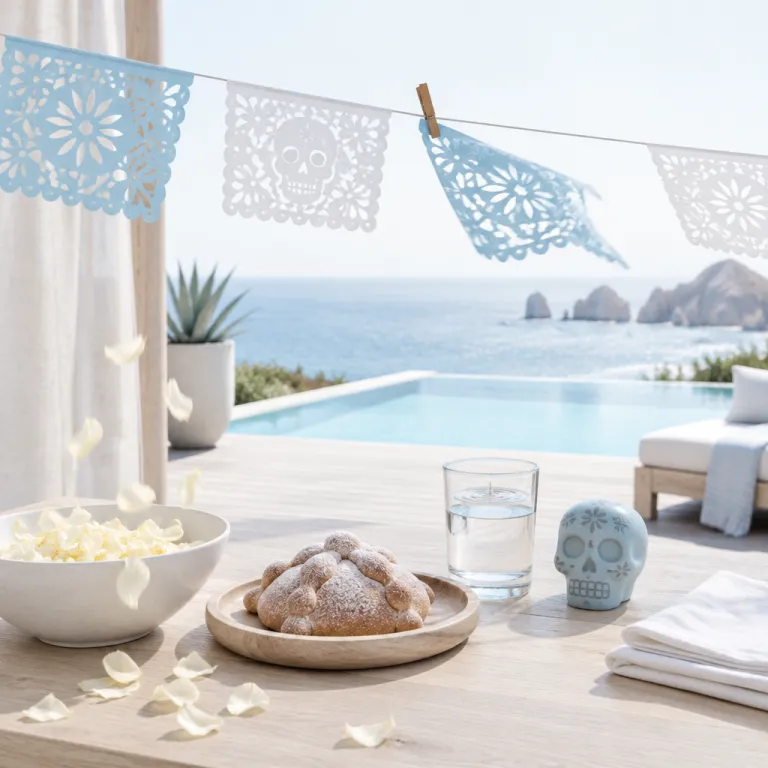
The celebration traditionally unfolds on November 1 and 2 across both Cabo San Lucas and San José del Cabo, where families build altars at home and in public plazas. These altars, or altares, are layered with photographs of los muertos, candles, pan de muerto and traditional foods that the loved ones enjoyed in life. You will see marigold flowers, known as cempasúchil, guiding the way with their bright petals and pre-Hispanic symbolism of the sun and the cycle of life and death.
It is important to understand that this is not a Mexican Halloween, even if some visitors confuse the two holidays. The Day of the Dead rituals are rooted in pre-Hispanic beliefs blended with Catholic All Saints’ Day and All Souls’ Day observances, creating a uniquely Mexican cultural fusion. When you walk through Cabo San Lucas or along the Marina de Cabo during this time, you are stepping into a living tradition that treats the dead with tenderness and humor, never horror.
How Cabo San Lucas and San José del Cabo celebrate
On the nights around Día de los Muertos, Cabo San Lucas feels different, softer around the edges. The usual party pulse of Cabo San Lucas nights gives way to candlelit altars, live music in the plazas and families carrying marigold flowers through the streets. For couples planning a romantic stay, this shift turns the resort town into a place where memory and celebration share the same table.
In San José del Cabo, the historic center around the mission church in San José del Cabo becomes a focal point for cultural events. You may find an altar competition where local schools, galleries and hotels create altar installations, each telling stories of los muertos from the community. In recent years, the municipal authorities in the San José del Cabo area have organized formal Día de los Muertos celebrations with live mariachi, catrina parades and traditional food stands, but you should always confirm exact events and times with the official Los Cabos tourism board or the local municipality before you go.
Down in Cabo San Lucas, the marina and main square often host live music and dance performances that blend pre-Hispanic references with contemporary rhythms. You might see a catrina figure, elegantly painted and dressed, posing for photos near the water while a live mariachi group plays classic rancheras. If your hotel faces the sea, ask the concierge which Day of the Dead Los Cabos activities are planned nearby, because some properties coordinate their own cultural events in partnership with the town.
Because this holiday follows closely after the major fishing tournaments, it pairs well with an October stay that already includes sportfishing or marina time. Travelers who come for the marlin season often extend their trip into early November to experience the more reflective side of the region. One local guide in Cabo San Lucas described it as “the moment when the noise of tournament season fades and you can really hear the music around the altars,” a rhythm that helps couples plan their Día de los Muertos nights around the quieter post-tournament days.
Staying in luxury hotels for Día de los Muertos
For couples booking premium stays, the way hotels interpret Día de los Muertos can shape the whole experience. Many luxury properties in Los Cabos now create their own altars in lobbies or gardens, inviting guests to add photos or notes for their own deceased loved ones. When this is done thoughtfully, it turns a polished resort into a shared cultural space, not just a backdrop for themed décor.
Some high-end hotels in Cabo San Lucas and San José del Cabo host curated Mexican buffet dinners on the main night, pairing pan de muerto with mezcal tastings and live mariachi. You might find a chef-led menu that nods to pre-Hispanic ingredients, weaving in corn, cacao and local seafood from the sea alongside traditional foods from central Mexico. Ask whether the evening includes explanations of the altar elements, the meaning of catrinas and the symbolism of marigold flowers, because context is what separates a respectful celebration from a simple party.
Casa Dorada in Cabo San Lucas, for example, has in past seasons promoted Día de los Muertos–themed evenings that blend live music with regional dishes and candlelit altars overlooking the bay. A stay there during the Day of the Dead Los Cabos period can place you steps from the San Lucas marina events while still giving you a calm base for reflection. Other luxury properties along the Corredor del Cabo may focus on quieter rituals, such as guided walks through their altar displays or intimate storytelling sessions about local families and los muertos traditions.
If you want your trip to revolve around culture rather than only pool time, align your booking with the broader festival rhythm of the region. The local cultural calendar shows how Día de los Muertos fits among art walks, gastronomy weeks and music festivals across the year. Use a resource like this overview of Cabo’s cultural festivals and events to see how the holiday sits within a longer arc of celebrations.
Experiencing the night with respect and wonder
Walking through the plazas on Día de los Muertos as a couple can be one of the most moving nights you spend in Los Cabos. You will hear live music drifting between altars, smell copal incense and pan de muerto, and see families laughing as they remember los muertos together. The key is to participate as invited guests, not as spectators treating the evening as a show.
Dress as you would for a respectful evening out in a Mexican town square, with light fabrics for the coastal climate and covered shoulders if you plan to enter churches in San José del Cabo or Cabo San Lucas. Face painting as a catrina or calavera is sometimes offered at hotel events, but in public spaces it is better to follow local cues and avoid turning the Day of the Dead rituals into a costume party. When you approach altars, keep a small distance unless someone invites you closer, and always ask before taking photos of families or their personal offerings.
Plan to walk slowly, perhaps starting in San José del Cabo’s historic center before returning to your hotel in Cabo San Lucas for a quieter nightcap. If your property offers a guided visit to community altars or an explanation of pre-Hispanic beliefs behind Día de los Muertos, consider joining to deepen your understanding. Later, you might trade the usual resort bar for a café or wine bar that treats the evening with the same sense of cultural weight, much like the thoughtful spots highlighted in this guide to Cabo’s third wave coffee scene.
For many travelers, the most powerful moment comes not from the big public events but from a quiet pause at an altar where a stranger’s story feels suddenly familiar. Día de los Muertos in Los Cabos invites you to think about your own deceased loved ones while standing beside families doing the same under the Baja sky. Treated with care, this Mexican holiday becomes less of a spectacle and more of a shared human experience that will stay with you long after the candles burn out.
FAQ
Is Día de los Muertos the same as Halloween in Los Cabos ?
No, Día de los Muertos is not the same as Halloween in Los Cabos. Halloween leans toward costumes and spooky themes, while Día de los Muertos is a Mexican holiday focused on honoring los muertos with altars, marigold flowers and traditional foods. Visitors should treat the Day of the Dead Los Cabos period as a cultural and spiritual celebration, not as an extension of Halloween parties.
Where should couples go in Los Cabos to see altars and celebrations ?
The main public altars and Día de los Muertos celebrations usually take place in the historic center of San José del Cabo and around the marina and main square in Cabo San Lucas. Couples can walk through these areas in the evening to see community altars, live mariachi performances and catrina displays. Always check with your hotel concierge or the official Los Cabos tourism board for the latest information on specific events and times.
How should we dress for Día de los Muertos events in Cabo ?
Dress smart casual and comfortable, suitable for warm evenings by the sea in Los Cabos. Light fabrics, closed shoes for walking and a light layer for breezy nights in Cabo San Lucas or San José del Cabo work well. Avoid costumes unless you are clearly invited to a themed hotel event, and remember that many locals treat the night as a family remembrance, not a party.
Do luxury hotels in Los Cabos organize special Día de los Muertos experiences ?
Many luxury hotels in Cabo San Lucas and San José del Cabo now organize special Día de los Muertos experiences for guests. These can include lobby altars, guided explanations of the tradition, Mexican buffet dinners with pan de muerto and live music or live mariachi. When booking, ask your preferred property, such as Casa Dorada or other corridor resorts along the Cabo coast, what they plan for the Day of the Dead Los Cabos period.
Is it appropriate to take photos of altars and catrinas ?
It can be appropriate to photograph public altars and catrina displays, especially those clearly set up for community viewing in plazas. However, always ask permission before photographing families, personal offerings or private altars, and avoid blocking pathways or touching any items. When in doubt, follow local behavior and remember that these spaces honor los muertos, so discretion and respect should guide every shot.