Why diving Cabo Pulmo national park belongs on a Cabo luxury itinerary
From a suite in cabo san Lucas, the desert and sea feel cinematic. Yet the most meaningful marine experience near san lucas lies quietly up the coast in a small village called cabo pulmo. For travelers used to polished lobbies and curated playlists, the raw edge of diving Cabo Pulmo National Park offers a different kind of luxury, one measured in marine life rather than thread count.
Cabo Pulmo sits on the east side of baja california, roughly 100 km from cabo san Lucas, where the sea cortez folds into a protected marine park. This national park shelters one of the oldest coral reef systems on North America’s west coast, a coral reef that has been growing for around 20,000 years and now stretches across more than 70 km² of protected waters. When you plan a trip cabo focused on diving cabo pulmo national park, you are stepping into a conservation story that reshaped an overfished village into a thriving ecotourism hub.
The Cabo Pulmo Community worked with the Mexican Government to halt fishing and create a no take marine park, and marine biologists later documented a dramatic rebound in biomass. Scientific monitoring shows that total fish abundance increased by more than four hundred percent after the fishing ban, turning once quiet dive sites into underwater stadiums filled with schools fish and predators. For luxury travelers, that means every pulmo dive or series of dives is not just about seeing sharks and fish, but about witnessing how a community led conservation model can redefine what the best scuba diving in mexico looks like.
The recovery story that turned a fishing village into a living reef sanctuary
Before the park existed, local families in cabo pulmo depended on fishing, and the reef’s marine life was fading fast. Overfishing had stripped many dive sites of larger predators and left only scattered fish over stressed coral, a pattern seen across baja california and the wider sea cortez. The turning point came when the Cabo Pulmo Community pushed for protection, and the Mexican Government responded by establishing a national park with a strict fishing ban.
That decision created a fully protected marine park, and marine biologists began long term monitoring to track the reef’s recovery. Their data shows that fish biomass surged by more than four hundred percent, with some studies now citing a 465 % increase in fish populations as the reef and its coral structures rebounded. This recovery transformed pulmo diving from a local subsistence activity into a global reference point for community driven conservation in mexico, and it is why divers now travel from cabo san Lucas and beyond to explore these clear waters.
Today, when you book a pulmo dive or a series of dives from a luxury base in cabo, you are entering a living laboratory where sharks, rays, and schools fish have returned in force. Official guidance for visitors now states : "What marine life can be seen in Cabo Pulmo? Sharks, rays, sea turtles, humpback whales." If you are already planning a marine focused itinerary that includes whale sharks in the sea cortez, pairing a dedicated day of diving cabo pulmo national park with a separate whale shark encounter in the Sea of Cortez gives your trip cabo a conservation through line from surface to depth.
What diving Cabo Pulmo national park actually feels like underwater
Slip off the panga into crystal clear water, and the first impression at many dive sites is movement. Schools fish wrap around you in silver and yellow walls, and the sound of your own scuba bubbles becomes the only human noise in a marine park that has banned engines from lingering over the reef. This is not the gentle snorkel reef off cabo san Lucas where a few curious fish circle tourists near the beach.
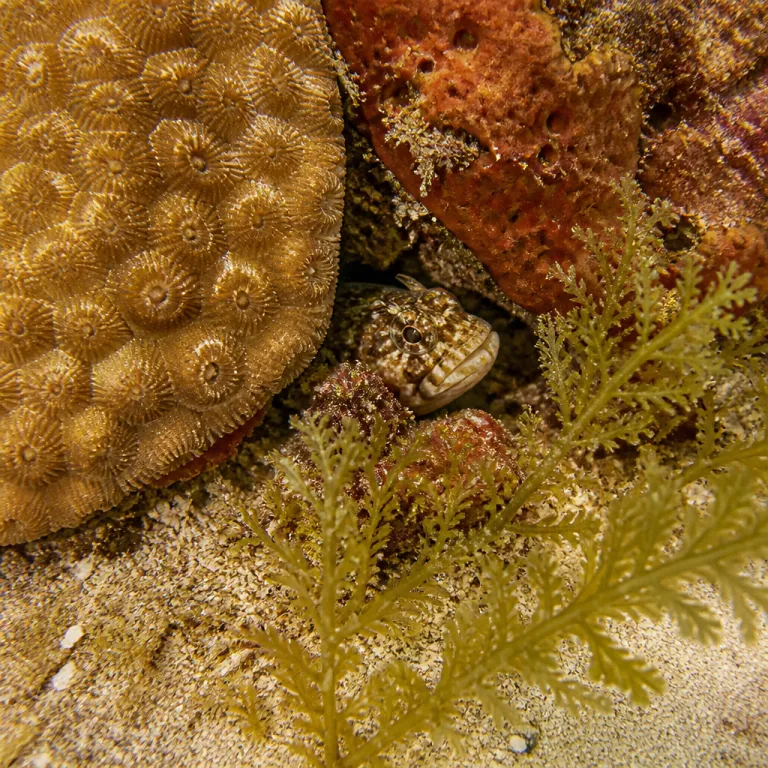
On a typical day of scuba diving in cabo pulmo, divers might start on a shallow coral reef where hard coral heads shelter clouds of juvenile fish and the occasional turtle glides past. Later dives often shift to deeper dive sites where larger marine life gathers, including bull sharks in season, big jacks, and swirling snappers that move like a single organism. Because the reef here is the northernmost coral reef in the eastern Pacific, the mix of temperate and tropical species gives each pulmo dive a sense of unpredictability that seasoned divers appreciate.
Visibility in these clear waters can be excellent, especially from late summer into november when conditions often align for the best combination of calm seas and warm water. Many divers time their trip cabo to match this window, planning two or three dives per day to explore different parts of the national park and its coral reef structures. If you are traveling with non divers or planning a broader coastal escape, you can balance your pulmo diving days with quieter beach time and low key snorkeling along Cabo’s softer shores, using guides such as this overview of family friendly snorkel beaches to round out your sea cortez experience.
How to choose responsible operators and plan from Cabo San Lucas
For travelers staying in luxury properties in cabo san Lucas, the most common question is how to structure a day of diving cabo pulmo national park without sacrificing comfort. The drive from san lucas to cabo pulmo takes around two and a half hours, much of it along the East Cape where the desert meets the sea cortez in long, empty arcs. Many high end hotels now work with vetted operators who arrange private transfers, gear, and guided dives, so you can leave before sunrise and still be back in your suite by evening.
When you book, prioritize operators based in cabo pulmo village or those in cabo that partner closely with the local community and follow marine park regulations. Group sizes are capped, dive times are controlled, and guides are trained to enforce strict no touch policies around coral and marine life, which keeps the coral reef healthy and the fish unafraid. This is not a party dive scene ; it is a conservation focused national park where pulmo diving is treated as a privilege, and serious divers respect that tone.
Because the best conditions for scuba diving here typically run from September through May, with particularly calm seas in early autumn and into november, it pays to book your dives well ahead of your trip cabo. Luxury travelers often combine a day or two of pulmo dive experiences with wellness focused downtime back in cabo san Lucas, weaving in spa rituals and quieter evenings. If you are curious about how Cabo’s high end properties are reviving ancestral wellness practices, consider pairing your marine days with a temazcal and sound healing session to let your body decompress between dives.
Designing a conservation led luxury stay around Cabo Pulmo
Building an itinerary around diving cabo pulmo national park starts with deciding how close you want to sleep to the reef. Some travelers base entirely in cabo san Lucas, using its luxury hotels as a hub and treating each pulmo dive day as a long but rewarding excursion. Others split their trip cabo, spending a few nights on the quieter East Cape to wake closer to the marine park and its early morning departures.
Whichever model you choose, the key is to align your expectations with the place, because cabo pulmo is about marine life, not marble lobbies. The village remains small, with simple accommodations and sandy streets, yet the access it offers to thriving coral reef systems, clear waters, and dense marine life is unmatched anywhere else in mexico. For many divers, the real luxury is surfacing from a second or third dive to see bull sharks still circling below and schools fish flashing over coral that only exists because a community chose protection over short term gain.
As you plan, remember that each dive you book supports a local economy built on ecotourism rather than extraction, reinforcing the community led conservation model that made this national park a global reference. The same methods that worked here — a fishing ban, marine protected status, and long term scientific monitoring — are now inspiring similar projects across baja california and the wider sea cortez. When you leave cabo, the memory that lingers may not be the resort pool, but the moment you hovered weightless above a living reef in cabo pulmo, watching marine life pulse around you in a park that proves recovery is possible.
FAQ
When is the best time for diving Cabo Pulmo national park from Cabo San Lucas ?
The most reliable window for diving cabo pulmo national park runs from September through May, when the sea cortez tends to offer calmer conditions and warmer water. Many divers favor early autumn into november for a balance of visibility, water temperature, and marine life activity. If you are staying in cabo san Lucas, plan your trip cabo dates around at least one or two full days dedicated to pulmo diving so you can experience multiple dive sites.
What marine life can I expect to see while scuba diving in Cabo Pulmo ?
Cabo Pulmo’s marine park is known for dense schools fish, including jacks, snappers, and groupers that swirl over the coral reef in huge numbers. Larger marine life such as sharks, rays, sea turtles, and seasonal humpback whales also frequent the area, with bull sharks sometimes seen at specific dive sites. Because the reef is fully protected, divers often report more relaxed animal behavior than around cabo san Lucas, where fishing pressure is higher.
How did Cabo Pulmo’s reef recover so dramatically ?
The recovery began when the Cabo Pulmo Community worked with the Mexican Government to establish a no fishing national park and enforce strict marine protection. Over time, marine biologists documented a steep increase in fish biomass, with some studies reporting a 465 % rise in fish populations as the coral reef and its associated life rebounded. This combination of a fishing ban, community engagement, and ongoing scientific monitoring turned cabo pulmo into a model for conservation across baja california and the wider sea cortez.
Can I visit Cabo Pulmo as a day trip from Cabo San Lucas ?
Yes, many travelers staying in luxury hotels in cabo san Lucas visit cabo pulmo on a long day trip, leaving early in the morning and returning after two or three dives. The drive takes roughly two and a half hours each way, so private transfers and well planned logistics are essential for a comfortable experience. If you want a slower pace around the marine park, consider adding one or two nights on the East Cape to shorten the commute to your pulmo dive departures.
Do I need to be an experienced diver to enjoy Cabo Pulmo ?
Cabo Pulmo offers dive sites suitable for a range of experience levels, from relatively shallow coral reef areas for newer divers to deeper sites with stronger currents for advanced divers. If you are newly certified, choose an operator that limits group sizes and pairs you with a guide who understands your comfort level in clear waters with abundant marine life. More experienced divers often plan multiple days of pulmo diving to explore different parts of the marine park and increase their chances of encounters with sharks and other larger species.