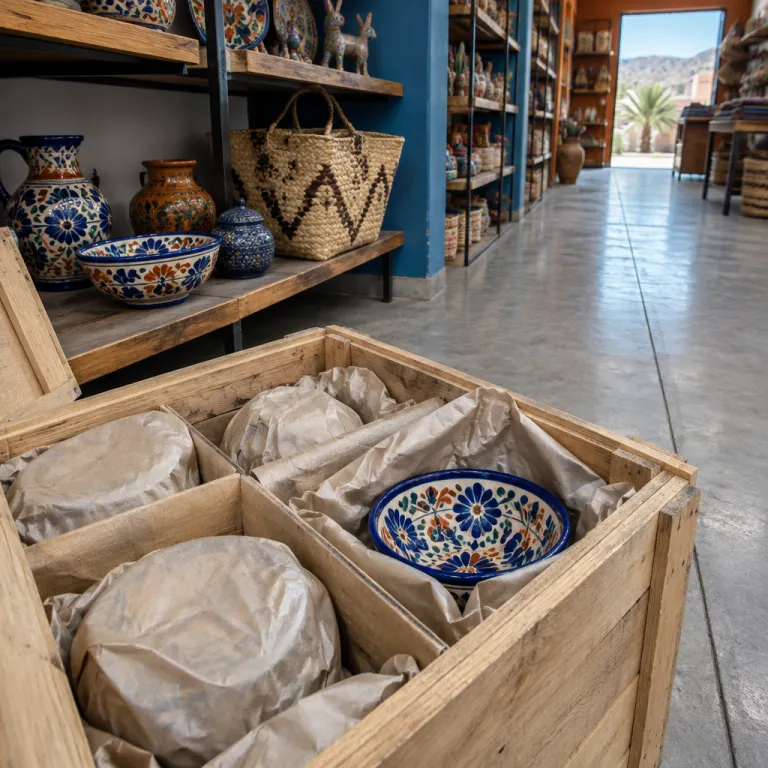
Where to buy Mexican folk art in Los Cabos when you love luxury hotels
Choosing where to buy Mexican folk art in Los Cabos starts with understanding the geography of Cabo San Lucas and San José del Cabo. The two towns share the same coastline yet offer very different art experiences, which matters when you are staying in a luxury resort and planning family friendly outings. Think of Cabo San Lucas as your lively base and San José del Cabo as your refined art district counterpart.
In Cabo San Lucas, the marina and downtown streets are lined with shops selling every kind of Mexican arts and crafts. Some carry genuine folk art from across México, while others lean heavily on mass produced souvenirs that imitate hand painted pieces and traditional Mexican pottery. If you want the real thing, you need to know how to read the details before you buy.
Families often ask where to buy Mexican folk art in Los Cabos that feels authentic yet easy to reach from their hotel. Around the marina in Cabo San Lucas you will see bright ceramics, silver jewelry and textiles stacked floor to ceiling. Use this area as a first lesson for children in how Mexican folk traditions are copied, then plan a dedicated art walk in the quieter gallery district of San José del Cabo for serious purchases.
Understanding Mexican folk art before you start shopping
Before you decide where to buy Mexican folk art in Los Cabos, it helps to know what you are looking at. Much of the best known Mexican folk comes from regions far from Baja California Sur, then travels to Cabo San Lucas and San José del Cabo through trusted galleries. When you recognise the origin of each craft, you can judge whether the price and story match the piece in your hands.
Oaxacan alebrijes are carved wooden creatures covered in intricate hand painted patterns, usually in an explosion of colour. Talavera style Mexican pottery comes mainly from Puebla, with creamy white bases and cobalt blues, and you will see both authentic and imitation versions in many Cabo San Lucas galleries. Huichol beadwork from Nayarit and Jalisco uses tiny glass beads pressed into wax over wooden forms, creating shimmering arts and crafts that children find mesmerising.
Textiles are another pillar of Mexican folk art, from Chiapas embroidery to wool rugs from Oaxaca that sometimes appear in a Los Cabos art gallery. When a gallery in the San José del Cabo art district labels a rug as hand woven, ask which village it comes from and how long the weaving took. For families staying in a high end resort, these conversations turn a simple purchase into a cultural lesson that continues long after you leave Cabo San Lucas weather discussions behind and start planning your next luxury stay around December weather in Cabo.
Why San José del Cabo’s gallery district is the smart place to buy
If you care about authenticity, the San José del Cabo gallery district is usually the best answer to where to buy Mexican folk art in Los Cabos. This compact art district sits in the historic centre of San José del Cabo, a short drive from many Cabo San Lucas luxury hotels along the corridor. Cobblestone streets, low colonial façades and a slower pace make it easier to browse with children without the pressure of the marina crowds.
From Mon–Sat many galleries open from late morning, then stay active into the evening when the air cools. On the famous Thursday night art walk, streets in the gallery district close to cars and families stroll between spaces, sometimes with live music drifting out of a nearby restaurant or wine bar. This weekly art walk is one of the great hidden gems of Los Cabos for travellers who usually come only for beaches and golf.
Names like the Ivan Guaderrama Art Gallery and Galería Ida Victoria are well established in the San José del Cabo scene, joined by smaller spaces that rotate guest artisans from across México. Both sit within the main gallery district and focus on curated arts and crafts from different regions, including Mexican pottery, silver work and contemporary paintings. During one recent Thursday art walk, a gallery owner described a hand painted Oaxacan alebrije priced around US$180 and a framed Huichol beadwork panel at roughly US$250, explaining to a family how weeks of labour and the cost of materials shaped those figures. Visits like this give older children a nuanced view of Mexican creativity that goes beyond simple souvenirs and into the quieter rewards of travelling in Cabo’s less crowded months, as explored in this guide to why September in Cabo suits the right traveller.
Comparing Cabo San Lucas shops and marina stalls with curated galleries
Many travellers staying in Cabo San Lucas luxury hotels first encounter Mexican folk art in the marina area. Stalls and small shops display rows of ceramics, silver bracelets and colourful skulls, making it tempting to decide that this is where to buy Mexican folk art in Los Cabos. For quick gifts and low risk purchases, these spots can work, but they rarely offer the depth or provenance of a serious art gallery.
In the marina district of Cabo San Lucas, you will see plenty of Mexican pottery that looks hand painted yet repeats the same pattern on dozens of pieces. That repetition usually signals factory production rather than individual arts and crafts made by a single artisan. Prices here are negotiable, and while bargaining can be fun, it often means the original maker is far removed from the final sale.
By contrast, a gallery in San José del Cabo or along the corridor between Cabo San Lucas and the airport will usually know the artisan by name. In spaces such as the Ivan Guaderrama Art Gallery or Galería Ida Victoria, staff can explain which region of México produced each piece and how it travelled to Baja. A couple staying at a beachfront resort, for example, compared a US$35 mass produced bowl at the marina with a US$95 signed Talavera platter in a corridor gallery; once they heard that the platter took several days to paint and fire, they chose the latter. When you buy in these galleries, you are more likely to support sustainable livelihoods rather than anonymous factories, aligning your shopping with the same thoughtful approach you use when choosing a quiet pool over a loud swim up bar and when planning evenings around Cabo San Lucas weather and nightlife in December.
How to recognise authentic pieces and pay fairly
Knowing where to buy Mexican folk art in Los Cabos is only half the story; the other half is learning how to recognise authenticity. Start by looking closely at the surface of any hand painted object, whether it is a piece of Mexican pottery or a wooden alebrije. Brush strokes that vary in thickness and tiny imperfections usually signal a human hand rather than a machine.
For textiles and rugs, flip the piece over and study the back. Authentic Mexican folk weaving from Oaxaca or other regions of México will show slight irregularities and colour changes, while mass produced items often have a uniform backing or glued on labels. Silver jewellery should be stamped with “.925” and ideally accompanied by a brief explanation of origin, especially in galleries that specialise in arts and crafts from central México rather than Baja alone.
Fair pricing in Los Cabos depends on where you shop and how complex the piece is. In the San José del Cabo art district, galleries such as the Ivan Guaderrama Art Gallery or Galería Ida Victoria often represent artists directly, which means your pesos travel further back to the maker. When you buy from these galleries, ask how long the artisan spent on the work and whether the price reflects that labour, then explain to children that paying a little more for genuine Mexican folk art respects the time and skill behind each object.
Family friendly art walks, hotel logistics and what travels well
For families staying in Cabo San Lucas or along the corridor, the San José del Cabo Thursday art walk is one of the most relaxed cultural outings you can plan. Streets in the gallery district become pedestrian only, so children can move more freely between each art gallery while parents browse. Live music, street performers and the occasional ice cream cart keep younger travellers engaged between visits to more serious spaces like Galería Ida Victoria or the Ivan Guaderrama Art Gallery.
When you think about where to buy Mexican folk art in Los Cabos with children in tow, consider energy levels and timing. A late afternoon swim at your hotel followed by an early dinner in a San José del Cabo restaurant near the main plaza sets you up nicely for an evening art walk. Many galleries open Mon–Sat and some also welcome visitors Sat–Sun, but Thursday remains the night when the entire art district feels like an open air salon.
Not every piece of Mexican pottery or folk sculpture travels equally well in a suitcase. For families, flatter items such as textiles, small hand painted tiles, lightweight silver jewellery and compact Huichol beadwork are easier to pack than large ceramics. Encourage children to choose one special piece each, then wrap it carefully in clothing, explaining that this small ritual is part of bringing a piece of México home from Cabo San Lucas and San José del Cabo.
Packing, customs and caring for your Mexican folk art at home
Once you have decided where to buy Mexican folk art in Los Cabos, think about how you will get it safely back to the United States. Airlines usually allow fragile items as carry on if they fit within size limits, which is ideal for delicate Mexican pottery or glass framed works from a San José del Cabo gallery. Ask your hotel concierge for extra bubble wrap or soft towels, as many luxury properties in Cabo San Lucas are used to helping guests protect art purchases.
For larger pieces, consider shipping directly from the gallery district in San José del Cabo or from a reputable art gallery in Cabo San Lucas. Established spaces such as Galería Ida Victoria or the Ivan Guaderrama Art Gallery often work with trusted couriers and can advise on customs paperwork for items leaving México. Avoid shipping from random marina stalls, where documentation may be incomplete and tracking unreliable.
At home, keep hand painted ceramics and Mexican folk sculptures away from direct sunlight to preserve colours. Textiles from México benefit from occasional airing and gentle cleaning, while silver jewellery from Los Cabos galleries should be stored in soft pouches to prevent tarnish. Treat each piece as a reminder of the evenings you spent walking the streets of San José del Cabo, listening to music drift from a nearby restaurant and teaching your children that the best souvenir is one that honours the person who made it.
Key figures about Mexican folk art and tourism in Los Cabos
- Mexico’s Secretaría de Turismo has reported that cultural and arts related travel represents a significant share of international tourism spending in the country, underscoring how important galleries and folk art are to destinations like Los Cabos. Exact percentages vary by year and methodology, so always check the latest official statistics if you need precise figures.
- FONART, the national fund for arts and crafts, notes that hundreds of thousands of Mexican artisans depend partly or fully on income from traditional crafts. While published estimates differ, the consistent message is that buying from reputable galleries in San José del Cabo directly supports livelihoods across México.
- Studies highlighted by the World Tourism Organization indicate that tourists are often willing to pay a noticeable premium for certified fair trade or artisan verified products. The exact percentage varies between surveys, but the trend helps sustain authentic Mexican folk art traditions represented in Los Cabos galleries.
- Airline baggage guidelines from major US carriers typically allow carry on bags measuring around 55 x 35 x 23 cm, a size that comfortably fits most small ceramics, textiles and hand painted pieces purchased in Cabo San Lucas or San José del Cabo. Always confirm current limits with your specific airline before you fly.
FAQ about buying Mexican folk art in Los Cabos
Is Los Cabos a good place to buy authentic Mexican folk art ?
Los Cabos is a strong place to buy authentic Mexican folk art if you focus on established galleries rather than only marina souvenir shops. The San José del Cabo gallery district in particular hosts curated spaces that work directly with artisans from across México. These galleries usually provide better provenance, fairer pricing and higher quality than mass market stalls.
What is the best area in Los Cabos for serious art shopping ?
The historic centre of San José del Cabo, especially the designated gallery district, is the best area for serious art shopping. Here you will find spaces like Galería Ida Victoria and the Ivan Guaderrama Art Gallery alongside other reputable galleries. The Thursday night art walk is an ideal time to explore, as streets become pedestrian friendly and most galleries stay open late.
How can I tell if a piece of Mexican pottery is handmade ?
Handmade Mexican pottery usually shows small irregularities in shape, glaze and brushwork, while mass produced items look perfectly uniform. Turn the piece over and look for a signature, village name or maker’s mark scratched or painted into the base. In reputable Los Cabos galleries, staff can often explain the origin and technique, which is rarely possible in anonymous souvenir stalls.
Can I bring Mexican folk art back to the United States without problems ?
Most Mexican folk art, including ceramics, textiles, silver jewellery and paintings, can be brought back to the United States in checked or carry on luggage without special permits. Restrictions mainly apply to items containing protected woods, feathers or animal products, which reputable galleries in Los Cabos typically avoid. Always declare your purchases if asked and keep receipts handy in case customs officers request details.
What types of folk art are easiest to pack when travelling with children ?
Flat textiles, small hand painted tiles, compact Huichol beadwork and silver jewellery are usually the easiest folk art items to pack when travelling with children. These pieces fit safely into carry on bags and can be wrapped in clothing for extra protection. Larger ceramics or framed works may require more careful packing or professional shipping from a San José del Cabo gallery.