Why whale sharks gather near La Paz and how Cabo fits in
The phrase “whale shark Cabo San Lucas Sea of Cortez” points to a very specific geography. From the luxury terraces of Los Cabos resorts, you look toward an ocean that funnels plankton-rich water into the Bay of La Paz, where juvenile whale sharks gather in calm, shallow sea. Oceanographer Jacques Cousteau is widely credited with calling the Sea of Cortez “the world’s aquarium,” a nickname that feels accurate on a clear summer day when the first dorsal fin breaks the water beside your panga.
Whale sharks are the largest fish on the planet, with verified individuals reaching at least 12–18 metres (39–59 feet) in length and weighing many tonnes, yet they are gentle filter feeders that move slowly through the Sea of Cortez to vacuum clouds of plankton. Peer-reviewed records compiled by marine biologists at institutions such as the Marine Megafauna Foundation and the Smithsonian confirm these size ranges for Rhincodon typus. They migrate along the Baja California peninsula, and La Paz has become the most reliable place near Cabo San Lucas for a safe shark encounter that respects both animal and swimmer. The regulated whale shark observation zone sits a short boat ride from the malecón in La Paz, where licensed tour operators work under rules set by Mexico’s Comisión Nacional de Áreas Naturales Protegidas (CONANP). Those federal guidelines, published through CONANP’s official management plans, include limits on boat numbers, minimum distances and time spent with each animal.
Seasonal data from local guides and conservation teams shows that peak whale shark encounters in the Bay of La Paz usually fall between September and October, with a broader window from roughly July to November in the wider Sea of Cortez. Monitoring projects run by groups such as Whale Shark Mexico and university-led tagging studies support this pattern of seasonal aggregation in the bay. As one official-style answer used by operators explains, “When is the best time to see whale sharks in the Sea of Cortez? September and October offer peak encounters.” That timing matters when you are planning a luxury stay in San Lucas and deciding whether to commit a full day to La Paz or to split your time between high-end Cabo adventures and a quieter overnight in the state capital.
For solo travelers based in Cabo, the key is understanding how your hotel’s location shapes the logistics of reaching La Paz and returning in time for dinner. Properties in the San Lucas marina zone sit about 2.5 hours by road from La Paz in light traffic, while hotels on the Tourist Corridor toward San José del Cabo may shave 15–20 minutes off the drive but add distance from the nightlife and dining scene. If you prefer to keep the focus on marine life rather than highway miles, consider booking a night in La Paz itself, then returning to Los Cabos after your swimming-with-whale-sharks experience, rested and sun-dried rather than racing the sunset along the desert highway.
Season, conditions and how to time your luxury base in Cabo
Whale shark season in the La Paz sector of the Sea of Cortez typically runs from late summer into autumn, with operators reporting the most consistent whale shark sightings in September and October. That aligns neatly with the shoulder season in Cabo, when the crowds thin, the water warms and luxury hotels in San Lucas start to court travelers who care more about marine life than pool parties. If you are already tracking when whale watching in Cabo San Lucas is at its peak, use that same planning mindset and pair it with this detailed guide to planning your stay around migration seasons and La Paz whale shark tours.
Operators in La Paz emphasize that conditions can shift quickly, even on a perfect blue-sky day, because wind and swell in the Sea of Cortez affect visibility and comfort in the water. Basic swimming skills are sufficient for most guests; reputable guides consistently note that prior snorkeling experience is helpful but not essential when you receive clear instructions and wear a life vest. For a premium experience, choose a morning tour, when the sea is usually calmer, the sun is softer and both whale sharks and swimmers are fresher, which makes every encounter feel more relaxed and less rushed.
From a Cabo San Lucas base, you have three main ways to reach La Paz for a whale shark tour. Private transfers arranged through your hotel concierge offer the smoothest door-to-door experience, with chilled water, flexible departure times and drivers who know where to stop for coffee along the Baja highway. Shared day trips bundle transport, snorkeling gear and the boat tour into one price, which works well if you are comfortable with a fixed schedule and a slightly larger group in the water.
Independent travelers who rent a car in Los Cabos gain maximum control over their time, but you need to be confident driving long distances and returning to San Lucas after several hours of swimming and sun exposure. Whichever option you choose, build in margin for delays so you are not sprinting from the dock to a dinner reservation back in Cabo San Lucas, especially if you are staying at a high-end property that values an unhurried arrival. Remember that regulated whale shark encounters are considered safe when you follow guidelines and listen to experienced guides, and that safety begins with not compressing your schedule so tightly that you make poor decisions in the rush to get back to your hotel.
Choosing a responsible operator from a Cabo luxury perspective
Once you have aligned your travel dates with the whale shark Cabo San Lucas Sea of Cortez season, the next decision is which La Paz operator deserves your time and money. In a region where Cabo adventures range from zip lines to tequila tastings, this is the one tour where credentials matter more than marketing. Look for companies that hold current permits from CONANP, limit group sizes, brief guests thoroughly and treat the whale sharks as wild animals rather than props. Well-regarded examples in the La Paz area include long-running outfits such as La Paz Whale Sharks VIP Tours and conservation-focused operators like Whale Shark Mexico, which collaborates with scientists on research and photo-identification projects.
High-quality operators will cap each boat at a manageable number of guests, often eight to ten, and send swimmers into the water in small rotations so the shark encounter never feels like a crowded pool. They provide proper snorkeling equipment, insist on life vests when required by regulations and maintain a respectful distance from the animals, cutting engines well before you slide into the water. Many work with conservation organizations and share data on individual whale shark sightings, contributing to broader research on migration patterns in the Sea of Cortez and the wider Baja California region.
Ask directly about approach protocols before you book, because a serious operator will explain how their guides position swimmers ahead of the shark’s path rather than chasing from behind. They should also outline the no-touch policy, the ban on flash photography and the rules about how many boats can be near the same whale at one time, which keeps stress on the animals low. If a company seems vague about these details, or promises guaranteed close contact with multiple whale sharks every day, take it as a sign to look elsewhere and protect both your experience and the animals.
Solo travelers who value thoughtful hospitality will recognize the same cues they use when choosing a refined hotel in San Lucas, from clear communication to well-maintained gear and guides who balance professionalism with warmth. Pair your marine life focus with quieter coastal experiences by weaving in a day of low-key snorkeling and beach time closer to Cabo Pulmo or the Corridor, using this guide to snorkel-friendly, quieter beaches near Cabo as a reference. The result is a trip where your whale shark tour feels like the centrepiece of a wider ocean-themed itinerary rather than a frantic one-off dash up the coast.
What the swim feels like and how to extend the marine story
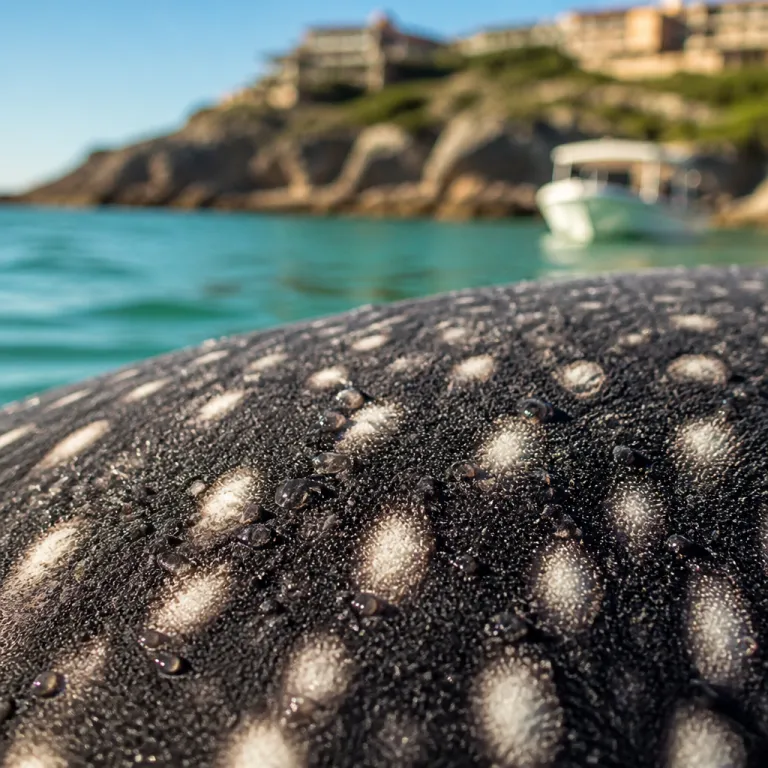
On the water, the rhythm of a whale shark tour is simple but intense, especially for first-time swimmers. Your panga idles in the Sea of Cortez as the captain scans for the faint outline of a shark beneath the surface, while a spotter plane may circle above to help locate animals in the vast blue. When the guide finally calls your name, you slide into the water and kick hard for a few seconds until the patterned flank of a whale shark fills your mask view, moving with a slow, deliberate grace that makes time feel elastic.
Distance rules mean you will swim alongside rather than directly above the animal, usually a few metres away, matching its pace for as long as your lungs and legs allow. No-touch policies are strict, and the best guides will gently steer you away if your enthusiasm carries you too close to the shark’s tail or gaping mouth. Photography works best with a wide-angle lens and minimal flash, because the goal is to capture the sense of scale and serenity rather than a close-up that pushes you into the animal’s space.
Between entries, you sit on the gunwale, catching your breath and watching other swimmers trace the same arc beside the shark, while frigatebirds wheel overhead and the desert mountains of Baja California frame the bay. Many tours combine the whale shark segment with a stop near sea lion colonies or calm coves for relaxed snorkeling, where you might see rays, turtles and smaller sharks in clearer water. If you are lucky, dolphins or even hammerhead sharks may appear at a distance, reminding you that this ocean holds far more than the single species that drew you here.
Back in Cabo San Lucas, the day’s images feel sharper when you pair them with other marine-themed experiences, from a restrained whale watching cruise in season to a thoughtful mezcal tasting that explores coastal terroir. For a refined evening that matches the tone of your day on the water, consider this curated trail of mezcal tastings beyond the standard margarita, which leans into Baja’s culinary depth rather than its clichés. The combination of whale shark memories, desert sunsets and a glass of smoky mezcal on a terrace above the marina is what turns a simple tour into a layered, luxury-level adventure.
FAQ
How long does a whale shark tour from Cabo San Lucas to La Paz take ?
Most travelers should plan for a full day when joining a whale shark tour from Cabo San Lucas to La Paz, because the drive each way takes around 2.5 hours and the boat portion usually lasts three to four hours. That schedule leaves room for check-in, safety briefings, multiple snorkeling entries and a relaxed return to the dock. If you prefer a slower pace, consider staying overnight in La Paz and returning to Los Cabos the following day.
Do I need to be an expert swimmer to join a whale shark tour ?
You do not need to be an expert swimmer to join a regulated whale shark tour in the Sea of Cortez, but you should feel comfortable in open water with a life vest and snorkeling gear. Basic swimming skills are generally enough for calm conditions when you follow your guide’s instructions and stay close to the boat. If you are nervous, tell your guide early so they can keep you closer to the ladder and limit your time in the water to shorter, more manageable swims.
Is swimming with whale sharks safe for solo travelers ?
Swimming with whale sharks in the La Paz area is considered safe when you book with a licensed operator that follows CONANP regulations and uses experienced guides. Solo travelers should still check that their tour includes safety briefings, proper equipment and clear emergency procedures before confirming a reservation. Choosing a reputable La Paz whale shark tour company and respecting the crew’s instructions are the most important steps you can take to keep the experience low-risk and enjoyable.
What should I bring from my Cabo hotel for a whale shark day trip ?
For a whale shark day trip from Cabo San Lucas, pack a long-sleeve rash guard, reef-safe sunscreen, a wide-brimmed hat, polarized sunglasses and a dry change of clothes for the drive back. Many operators provide snorkeling gear and water, but bringing your own mask can improve comfort, especially if you have a smaller face or wear prescription lenses. A light snack from your hotel, such as fruit or a sandwich, helps keep your energy steady between swimming sessions.
Can I combine whale sharks with other marine life experiences in the region ?
It is entirely possible to build an itinerary that combines whale sharks in La Paz with other marine life experiences around Los Cabos and the wider Sea of Cortez. In season, you can add whale watching trips from Cabo San Lucas, snorkeling with sea lions near Espíritu Santo Island or reef dives in areas like Cabo Pulmo, which is a protected marine reserve. Planning your hotel stays and transfers carefully allows you to enjoy this variety without feeling rushed or over scheduled, and turns your Sea of Cortez snorkeling and wildlife encounters into a coherent, story-rich journey.