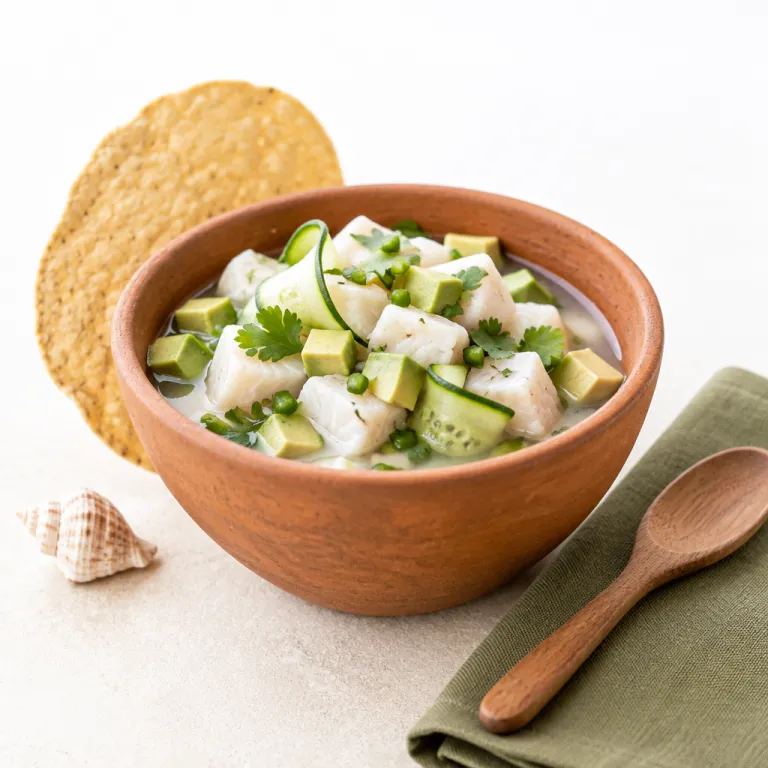
Why ceviche is the real test of a Cabo kitchen
Ceviche is the quiet benchmark for any serious seafood town, and in Cabo San Lucas it tells you more than any glossy menu ever will. In this corner of Baja California Sur, the best ceviche Cabo San Lucas offers usually starts with day boat fish landed at dawn, then rushed from the panga to the cutting board while the marina is still waking up. When you taste ceviche in Cabo, you are tasting how the Pacific and the Sea of Cortez meet the desert, how local mariscos culture shapes flavors, and how chefs respect the line between raw and cured.
Across los Cabos, from the marina in Cabo San Lucas to the quieter streets of San José del Cabo, ceviche is not one recipe but a spectrum. Classic Mexican ceviche leans on white fish, lime, red onions, tomato and cilantro, while aguachile from Sinaloa and Nayarit influences brings a thinner, more electric lime and chile bath around shrimp or mixed shrimp fish. Families visiting from the United States often arrive looking for the best seafood in town, and they quickly learn that the most telling plate is not the fish taco but the bowl of ceviche set down first.
For travelers using a luxury and premium hotel booking website focused on Cabo, this dish becomes a practical compass. A property that takes its ceviche program seriously usually has strong relationships with local fishers, a menu featuring locally sourced seafood and a chef who understands how to balance heat for both adults and children. When you evaluate where to stay in Cabo San Lucas, ask how the kitchen handles ceviche, which mariscos suppliers they trust, and whether they can prepare milder versions for younger palates while keeping the best flavors intact.
The Baja style: from day boats to aguachile heat
The defining trait of Baja ceviche is proximity to the source, and Cabo San Lucas sits at the sharp end of that supply chain. Boats leave the marina before sunrise, and by late morning the best ceviche Cabo San Lucas kitchens serve is already marinating, made from white fish and shrimp that were still in the water a few hours earlier. This rhythm holds from the main harbor in Cabo San Lucas to smaller landings near San José del Cabo, where local crews work the same currents that attract whales and billfish.
In this part of México, you will see both traditional Mexican ceviche and aguachile on most serious mariscos menus. The first is more forgiving for families, with citrus cured fish, diced tomato, cucumber and red onions, while aguachile is a sharper, almost minimalist preparation where shrimp or mixed shrimp fish rest in a thin, very spicy lime and chile liquid. When a restaurant in Cabo or in nearby San José del Cabo lists both on a menu featuring seafood, it signals a kitchen that understands regional Baja and Pacific coast traditions rather than just catering to resort expectations.
Some of the most interesting ceviche in los Cabos now plays with tequila ceviche marinades, where blanco tequila adds a subtle herbal note to the lime and sea salt. You might also encounter smoked marlin folded into ceviche style salads, a nod to the peninsula’s long fishing culture and to the way Baja California smokehouses preserve fish. If you are staying in a villa or a high end resort, consider arranging an in villa raw bar session with a private chef, using a service like the ones profiled in this guide to private chefs and in villa dining in Cabo, and ask specifically for a progression of ceviches that moves from mild white fish to bolder tequila ceviche and aguachile.
Palapa counters versus polished raw bars: choosing your ceviche setting
Eating ceviche in Cabo San Lucas can mean plastic chairs under a palapa roof or a marble counter with a sommelier pouring Baja wine. The best ceviche Cabo San Lucas offers is not limited to one style of venue, and families should feel comfortable exploring both ends of the spectrum during a visit. On Médano Beach, for example, you can move from a casual mariscos stand in the sand to an elegant raw bar inside one of the Médano Beach Cabo resorts known for an elegant seaside escape without ever losing sight of Land’s End.
At the more rustic end, look for open air mariscos restaurants where the ceviche station is in plain view and the white fish is cut to order. These spots often double as a ceviche bar in everything but name, with trays of shrimp, octopus and sometimes smoked marlin ready to be dressed with lime and chile. They are ideal for relaxed family dining, because children can share tostadas topped with mild fish while adults add extra salsa to chase the stronger Baja flavors.
Polished raw bars inside luxury hotels in Cabo San Lucas or in resorts closer to San José del Cabo tend to offer a broader menu featuring oysters, sashimi and crudo alongside ceviche. Here, the ceviche bar experience is more curated, with pairings that might include Baja California sparkling wine or a carefully mixed tequila based cocktail. When you browse a premium hotel booking website for los Cabos, pay attention to how each property describes its seafood and ceviche program, because a serious raw bar often signals a wider commitment to locally sourced ingredients and thoughtful dining events.
Family friendly ceviche: how to order for every palate
Families arriving in Cabo San Lucas often assume ceviche will be too spicy for children, yet the best ceviche Cabo San Lucas kitchens prepare can be remarkably gentle when you ask. Start by requesting a basic Mexican ceviche of white fish with lime, tomato and cucumber, and ask the server to hold the chile and serve any salsa on the side. This lets younger diners taste the freshness of the fish and the brightness of México’s citrus without heat, while adults can adjust spice levels bite by bite.
When you sit down at mariscos restaurants in Cabo or San José del Cabo, explain that you are sharing plates with children and prefer mild preparations. Many ceviche bar teams will happily split portions, sending one tostada with shrimp fish in a simple lime cure and another with full Baja style chiles and red onions. In los Cabos, where family travel is a major part of the market, staff are used to calibrating flavors so that everyone at the table can enjoy the same seafood without compromise.
Look for menus that highlight locally sourced seafood and a menu featuring clear descriptions of spice levels, especially in aguachile and tequila ceviche dishes. If you see smoked marlin or other stronger flavors, consider ordering a small portion first so children can taste without pressure. Between beach days, wildlife focused outings such as releasing baby turtles at dusk during Cabo’s sea turtle season and relaxed evenings in san Lucas, ceviche can become a gentle way to introduce younger travelers to Mexican coastal cuisine.
Reading freshness and staying safe with raw seafood
Ordering ceviche in Cabo San Lucas is as much about reading the room as reading the menu. The best ceviche Cabo San Lucas restaurants serve usually appears at tables where the fish counter is busy, the ice looks clean and the turnover is constant. In los Cabos, where temperatures climb and the sun is intense, you want seafood that has moved quickly from boat to kitchen to plate, not something that has lingered through the afternoon.
Fresh fish should smell like the ocean, not like strong fish, and the flesh in ceviche should look firm, translucent and evenly cut. When you see white fish or shrimp sitting in a ceviche bar pan for too long, the texture can turn chalky, and even the brightest Mexican lime cannot hide it. Ask your server when the seafood arrived, whether the mariscos are locally sourced from Baja California Sur waters and whether the kitchen can prepare your portion from a fresh batch rather than from a pre mixed bowl.
Travelers who are cautious about raw seafood can start with lightly cured dishes or with smoked marlin ceviche, which offers the same citrus and red onions profile but with fish that has already been cooked through smoking. Families might choose to avoid raw shellfish on the first visit and focus on shrimp fish combinations where the shrimp are briefly blanched before marinating. Across Cabo, san Lucas and San José del Cabo, reputable restaurants understand these concerns and will guide you toward the safest options, especially when you mention that you are traveling with children or are new to Mexican coastal seafood.
How to use ceviche to choose your Cabo hotel
For travelers using a luxury and premium hotel booking website dedicated to Cabo San Lucas, ceviche can be a surprisingly sharp decision making tool. Properties that highlight a ceviche bar, a raw bar or a menu featuring locally sourced mariscos usually have deeper relationships with fishers in los Cabos. When a hotel in Cabo or in nearby San José del Cabo talks about working with day boat crews from Baja California Sur and about hosting seafood focused dining events, you can expect a higher standard of freshness.
Look for descriptions that mention white fish ceviche, shrimp fish tostadas, tequila ceviche specials or even smoked marlin salads, because these details show that the culinary team is thinking beyond generic resort seafood. In san Lucas, some hotels now offer ceviche classes where guests learn to cut fish, balance lime and salt, and understand why certain flavors define Mexican coastal cuisine. These experiences are particularly valuable for families, turning a simple lunch into a hands on lesson in how Cabo’s mariscos culture connects to the wider food traditions of México and Baja.
When comparing options across los Cabos, consider how each property integrates local restaurants into its recommendations. A hotel that confidently sends you to a humble mariscos las tres style neighborhood spot, or to a ceviche focused bar in san Lucas, shows that it values authenticity as much as in house dining. Over the course of a visit, alternating between polished hotel restaurants and more casual local ceviche counters will give you the fullest sense of why this region quietly serves some of the best seafood on the peninsula.
Ordering like a local: practical tips for your first ceviche round
Once you are seated, ordering ceviche in Cabo San Lucas becomes a small ritual that locals navigate almost without thinking. Start by asking what fish just came in, because the best ceviche Cabo San Lucas kitchens prepare always follows the morning’s catch rather than a fixed script. If the answer is a firm white fish from nearby Baja waters, or a mix of white fish and shrimp, you are on the right track.
Next, decide whether you want a classic Mexican ceviche, an aguachile or a house specialty such as tequila ceviche or smoked marlin tossed with lime and red onions. In many Cabo and San José del Cabo restaurants, you can order a sampler that effectively turns your table into a private ceviche bar, with tostadas or small bowls showcasing different flavors. This is ideal for families, because adults can lean into spicier Baja California styles while children stick to milder preparations built around very fresh fish.
Do not hesitate to ask for adjustments, whether that means less chile, more lime or a different balance of shrimp fish in the mix. Locals in los Cabos treat ceviche as a flexible canvas, and good mariscos cooks respond well to clear preferences. Over a few days in san Lucas, cabo san and the wider del Cabo area, you will quickly learn which combinations suit your palate, and ceviche will shift from a tentative first order to the dish you quietly judge every new seafood bar against.
Key figures on seafood, ceviche and Cabo dining
- According to the Mexican Ministry of Tourism, los Cabos receives more than three million visitors annually, and a significant share of restaurant spending in Cabo San Lucas goes to seafood focused dining, reflecting the region’s reputation for fresh fish.
- Data from the Food and Agriculture Organization of the United Nations shows that México ranks among the top twenty fishing nations worldwide by marine capture volume, which underpins the steady supply of white fish and shrimp used in ceviche along the Baja California Sur coast.
- Studies by the National Institute of Fisheries and Aquaculture in México indicate that over 70 percent of small scale catches in Baja California Sur come from species suitable for ceviche, such as snapper, grouper and various jacks, supporting the day boat model that Cabo restaurants rely on.
- Research on foodborne illness from the Centers for Disease Control and Prevention notes that proper cold chain management can significantly reduce risks associated with raw seafood, which is why reputable ceviche bars in Cabo San Lucas emphasize rapid chilling and high turnover of fish.
FAQ about ceviche and raw bar dining in Cabo San Lucas
Is it safe to eat ceviche in Cabo San Lucas with children ?
Eating ceviche in Cabo San Lucas can be safe for families when you choose reputable restaurants with high turnover and visible attention to cleanliness. Start with mild, fully cured preparations of white fish and avoid raw shellfish for younger children. Always ask staff to adjust spice levels and to confirm when the seafood arrived that day.
What is the difference between ceviche and aguachile in Baja ?
Ceviche in Baja typically features diced fish or shrimp cured in lime with tomato, cucumber and herbs, resulting in a balanced, gently acidic dish. Aguachile is usually spicier and more minimalist, with shrimp or fish in a thinner, hotter lime and chile liquid. In Cabo San Lucas, many menus offer both, allowing you to choose based on your heat tolerance.
How can I tell if ceviche is fresh when I order it ?
Fresh ceviche should smell clean and marine, not strongly fishy, and the fish should look firm and glossy rather than dull or mushy. In Cabo restaurants, ask whether the ceviche is made to order and which fish came in that morning. Busy ceviche bars with rapid turnover are generally a safer bet than quiet counters with pre mixed bowls.
Do luxury hotels in Cabo serve better ceviche than local spots ?
Some luxury hotels in Cabo San Lucas run excellent raw bars with strong sourcing, but many humble mariscos restaurants match or surpass them on freshness. High end properties often excel in service, wine pairings and setting, while local spots may sit closer to the docks and rely on day boat catches. The best approach is to try both and let your palate decide.
Can I arrange a private ceviche experience at my villa or resort ?
Yes, many private chefs and catering services in los Cabos offer in villa ceviche and raw bar experiences built around locally sourced fish and shrimp. These sessions can be tailored for families, with mild options for children and spicier aguachile or tequila infused ceviche for adults. Ask your hotel concierge or villa host to recommend trusted providers who work closely with local fishers.