Choosing a luxury stay that supports local communities
Responsible travel in Cabo San Lucas starts the moment you choose where to stay. If you want your reservation to support local communities in Los Cabos, look beyond the room photos and study who owns the property, who manages it and how it treats its staff. A luxury resort can feel indulgent and still align with responsible tourism when it invests in training, fair wages and long term careers for people from Baja California Sur.
In the high end segment of Cabo tourism, several properties now publish sustainability reports that detail water use, energy consumption and community programs. When you compare a large resort in Cabo San Lucas with a smaller villa compound in San José del Cabo, ask how each one sources its staff, food and excursions, because those choices decide whether your money circulates in local communities or leaks out of México. Many premium villas and resorts near Playa Grande, the Cabo marina and the corridor toward San José now highlight partnerships with local artisans and farmers, which is a strong signal that your stay will have a positive footprint.
Solo travelers often gravitate toward well known names such as Pueblo Bonito, Grand Solmar or a golf spa resort near Cabo San Lucas for perceived safety and convenience. These properties can be a smart base for responsible travel in Cabo San Lucas when you use them as a hub and then spend your days and evenings in local neighborhoods, markets and family owned restaurants. If you prefer more privacy, consider luxury villas in Los Cabos that include a local concierge, because that person usually becomes your bridge to trusted drivers, guides and small businesses that rarely appear on international booking engines.
Where your money goes: from tourism tax to artisan markets
Every tourist who lands in Los Cabos contributes to the region’s economy long before ordering a first margarita on the beach. The state of Baja California Sur applies a tourism tax of about MX$470 per visitor, roughly USD 25, and that revenue funds infrastructure, environmental programs and services that residents and travelers share. When you understand this structure, responsible travel in Cabo San Lucas becomes less abstract and more about how each peso you spend can reinforce that public investment.
In Cabo San Lucas, Amelia Wilkes Plaza turns into a weekly showcase of local talent through the Orígenes artisan market and the “Very Mexican Friday” campaign. Around fifty vendors set up stalls between 17:00 and 22:00, selling textiles, ceramics, jewelry and regional food that are produced in nearby barrios and pueblos across Baja California Sur. Visiting this market during your stay is one of the most direct ways to support local communities, because the municipal government and CANACO SERVYTUR Los Cabos designed it specifically to increase sales of local products and strengthen cultural heritage.
To make the most of this experience, arrive early, bring cash and talk with the artisans about their craft and their lives in Cabo San Lucas. Responsible tourism here means choosing a handwoven rebozo over a mass produced souvenir, or buying salsa macha from a family stall instead of a duty free shelf. If you are staying at a high end villa or resort, ask your concierge to arrange transport to Amelia Wilkes Plaza on Friday evening, then return to your property with gifts that carry the story of Los Cabos rather than a generic logo.
Eating locally and sustainably: from mercados to marina tables
Food is where responsible travel in Cabo San Lucas becomes intensely pleasurable. The desert meets the sea in Baja California Sur, and that geography shapes everything from the fish tacos at the marina to the organic vegetables grown in the foothills near San José del Cabo. When you step outside your resort or villa and eat where the cooks live nearby, you help keep culinary traditions alive and support local communities that do not always see direct benefits from large scale tourism.
Start with the mercados in Cabo San Lucas and San José del Cabo, where stalls sell fresh produce, tortillas and regional cheeses alongside prepared dishes. These markets are ideal for solo travelers staying in luxury villas, because you can stock your kitchen with ingredients from Baja farmers and then ask your concierge to arrange a private chef who understands local recipes. For a deeper dive into wellness focused cuisine, look at properties and restaurants connected to projects such as Corazón Flora, which emphasize seasonal menus, low waste practices and a close relationship with nearby ranches.
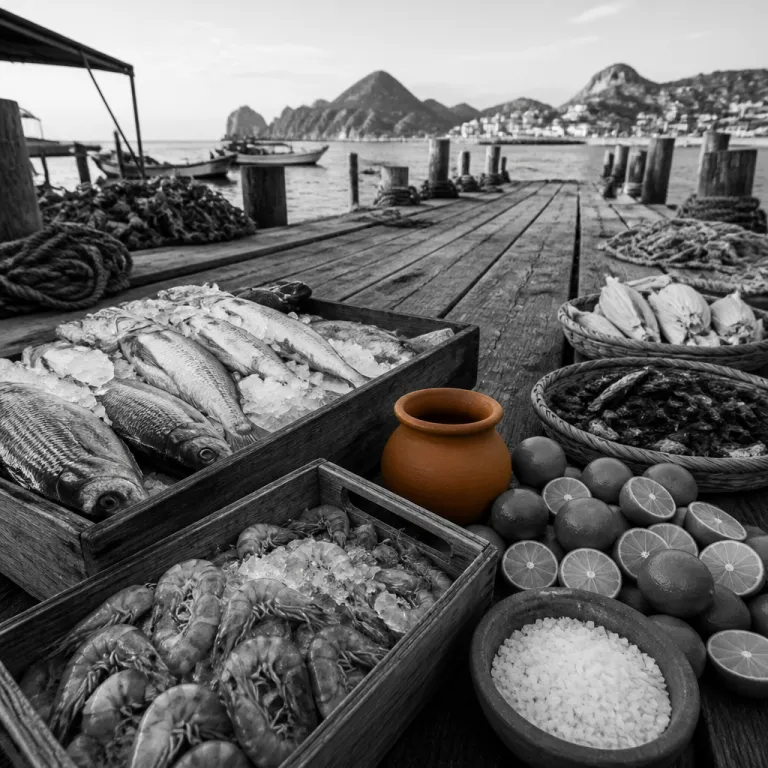
Down by the Cabo marina, many restaurants now highlight line caught fish from the Pacific and the Sea of Cortez, but not all follow the same standards. Ask where the fish was caught, which species are in season and whether the restaurant works with certified cooperatives, because responsible tourism in Los Cabos depends on healthy marine ecosystems. If you want more structure, some premium accommodations such as Casa Aurora, profiled as a premium retreat experience in Cabo San Lucas, can arrange curated food tours that focus on family run taquerías, street vendors and small dining rooms where your presence has an outsized impact.
Water, safety and wellness: navigating a desert by the sea
Los Cabos sits in a fragile desert where every drop of water matters. Luxury resorts, villas and golf spa complexes consume significant volumes, so responsible travel in Cabo San Lucas means paying attention to your own habits as a guest. Shorter showers, reusing towels and declining daily linen changes sound basic, yet they scale quickly in a destination that hosts hundreds of thousands of visitors each year.
Many high end properties in Cabo San Lucas now operate desalination plants and grey water systems to reduce pressure on local aquifers. When you evaluate a resort or villa, look for clear information about water treatment, landscaping choices and pool management, because lush lawns in a desert often signal unsustainable practices. Choosing a stay that favors native plants and efficient irrigation helps keep more water available for local communities in Baja California Sur, not just for tourists and golf courses.
Safety is another pillar of responsible tourism, especially for solo travelers. The main tourist zones of Cabo San Lucas, San José del Cabo and the corridor between them are generally safe when you follow normal urban awareness, and many visitors report feeling that the central areas are lucas safe for walking at night. To keep your stay both safe and respectful, use licensed taxis or reputable drivers recommended by your resort, avoid excessive drinking in the bar strip and treat staff and residents with the same courtesy you expect at home. If wellness is a priority, consider properties that integrate local healing traditions into their programs, then explore guides to the best hotel wellness programs in Los Cabos through resources such as specialized wellness hotel roundups.
Choosing excursions and nature experiences that give back
Outside the resort zone, the landscapes around Cabo San Lucas feel raw and cinematic. From the coral reefs of Cabo Pulmo to the quiet coves beyond San José del Cabo, this stretch of Baja California Sur rewards travelers who move slowly and choose operators carefully. Responsible travel in Cabo San Lucas means treating these places as living ecosystems, not just backdrops for social media.
Cabo Pulmo National Park, about 100 kilometers northeast of Cabo San Lucas, is a model for community led conservation in México. Local communities shifted from fishing to guiding, and now run many of the dive and snorkel operations that introduce visitors to one of the most successful marine reserves in the eastern Pacific. When you book with an operator based in the village rather than an outside contractor, your tourism spend supports families who have a direct stake in keeping the reef healthy for future generations.
Closer to town, look for kayaking, whale watching and sailing excursions that cap group sizes, avoid feeding wildlife and employ certified local guides. Some operators partner with organizations such as Kind Traveler, a platform that connects hotels and guests with vetted charities, to channel a portion of each booking into conservation or social projects. If your resort or villa concierge suggests an excursion, ask explicitly whether the company hires guides from Los Cabos, follows responsible tourism guidelines and contributes to environmental monitoring, because those questions signal that visitors care about more than just the view.
Fair wages, tipping culture and practical ways to support locals
Behind every polished lobby in Cabo San Lucas stands an invisible workforce. Housekeepers, gardeners, line cooks and drivers often commute long distances from neighborhoods that tourists rarely see, and tourism supports approximately 44,000 direct positions while contributing nearly 36 percent of Baja California Sur’s GDP according to regional promotion authorities. Responsible travel in Cabo San Lucas means recognizing that your behavior as a guest can either reinforce or undermine efforts to create dignified, stable jobs.
Tipping is one of the most immediate tools you control. In resorts and villas across Los Cabos, a service charge sometimes appears on your bill, but that fee does not always reach individual staff in full, so ask at check in how gratuities are distributed. As a rule of thumb, consider leaving at least MX$60 to MX$100 per day for housekeeping, 15 to 20 percent in restaurants and a similar percentage for spa therapists, drivers and guides, adjusting upward when service feels exceptional or when you know wages are low.
Beyond money, respect and curiosity matter. Learn a few basic Spanish phrases, ask staff where they like to eat on their days off and follow their recommendations into neighborhoods away from the main beach. When you email your property before arrival, use the contact form rather than any placeholder such as email protected, and ask whether they support training programs, scholarships or local NGOs, because those initiatives show a deeper commitment to the people who make your stay in Cabo San Lucas feel effortless.
Staying in style while keeping your footprint light
Luxury and responsibility are not opposites in Cabo San Lucas. A thoughtfully designed villa or resort can feel indulgent while still aligning with responsible tourism principles that benefit local communities and protect the environment. The key is to treat your stay as a series of choices, each one nudging the destination toward a more balanced future.
When you compare properties in Cabo San Lucas, San José del Cabo and the corridor, look beyond the infinity pool and ask how each place handles energy, water and waste. Some high end villas now integrate solar panels, rainwater capture and composting, while certain resorts in Los Cabos have eliminated single use plastics and invested in on site treatment plants. If you prefer the flexibility of a condominium, curated platforms that focus on Cabo condo rentals with luxury villas and ocean views can help you find options that balance comfort with a lighter footprint.
Finally, remember that responsible travel in Cabo San Lucas extends beyond environmental metrics. Choose a sunset cruise that plays local music instead of imported playlists, buy your beach hat from a stall at Amelia Wilkes Plaza rather than a chain store and spend at least one evening in a family run restaurant in San José del Cabo’s historic center. The more your itinerary stretches beyond the resort gates, the more your presence in Baja California Sur feels like a respectful exchange rather than a one way extraction.
Key figures for responsible travel in Cabo San Lucas
- Tourism contributes nearly 36 percent of Baja California Sur’s GDP, meaning that how visitors spend in Cabo San Lucas directly shapes regional development and public services (Fiturca, regional tourism board).
- Approximately 44,000 direct jobs in Baja California Sur depend on tourism, so each luxury resort or villa booking in Los Cabos influences employment stability and wage levels for local communities.
- The state level tourism tax of about MX$470 per visitor, roughly USD 25, funds infrastructure and environmental programs that benefit both residents and tourists across Cabo San Lucas, San José del Cabo and smaller towns.
- Los Cabos counts 27 Blue Flag certified beaches, indicating strong commitments to water quality, safety standards and environmental education along key stretches of coastline.
- The Orígenes artisan market at Amelia Wilkes Plaza in downtown Cabo San Lucas hosts around fifty vendors every Friday evening, creating a concentrated opportunity for visitors to support local artisans and producers directly.
FAQ about responsible travel and supporting locals in Cabo San Lucas
What is the Orígenes market in Cabo San Lucas ?
What is the Orígenes market? It is a weekly artisan market in Cabo San Lucas. The event takes place at Amelia Wilkes Plaza and brings together dozens of local vendors who sell crafts, food and handmade products that reflect the culture of Baja California Sur.
When does the “Very Mexican Friday” campaign take place ?
When is the 'Very Mexican Friday' campaign? It was launched in September 2025 as a promotional initiative to highlight Mexican culture and local products during the Friday evening market. Today, visitors can expect music, performances and a strong emphasis on authentic goods made by artisans from Cabo San Lucas and surrounding communities.
How can I make sure my luxury hotel stay benefits local communities ?
Start by choosing a resort or villa in Los Cabos that publishes clear information about local hiring, training and community programs. Before booking, ask whether the property supports staff education, partners with nearby suppliers and participates in environmental initiatives in Baja California Sur. During your stay, tip fairly, book excursions with local operators and spend part of your budget at markets, small restaurants and independent shops in Cabo San Lucas and San José del Cabo.
Is tap water safe to drink in Cabo San Lucas hotels ?
Most travelers should avoid drinking tap water in Cabo San Lucas, even in high end resorts, unless the property explicitly states that its in room supply is purified and safe. Use filtered water stations, bottled water provided by the hotel or refillable bottles filled from certified dispensers. Being cautious with water helps protect your health and encourages properties to maintain rigorous purification systems.
What tipping practices are appropriate for responsible travelers in Los Cabos ?
In Cabo San Lucas and San José del Cabo, tipping 15 to 20 percent in restaurants and bars is standard, while housekeeping staff usually receive a daily amount left in the room. For drivers, guides and spa therapists, a similar percentage or a clearly stated per person amount works well, especially when service is personalized. Asking how service charges are distributed and tipping directly in cash when possible ensures that the people who make your stay memorable receive a fair share of your spending.